




Cost of Redwood Deck
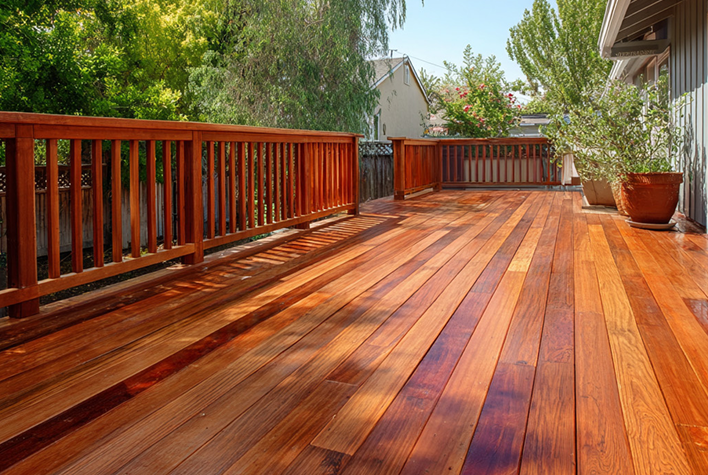
The cost of installing a redwood deck can vary based on factors such as size, design, and the type of materials used. Custom features, like built-in seating or lighting, can also influence the price.


)
HomeBuddy estimates deck costs using real project pricing from completed residential deck construction and replacement projects, matched against the scope and details submitted in each project request. Estimates reflect differences in deck size, materials, design complexity, site preparation, foundation requirements, stairs, railings, custom features, and installation conditions. Public pricing references are reviewed to confirm that published ranges remain consistent with current material and labor costs.
Data used: HomeBuddy project cost data, completed project costs, and residential project request details
Project scope: new deck construction, deck replacement projects, wood and composite decking, and custom deck designs with stairs or railings
Main cost factors: deck size, decking material, framing requirements, design complexity, foundation and site preparation, stairs, railings, custom features, accessibility, and local labor costs
Location signals: ZIP, city, and state-level pricing patterns where available
Public references: used to confirm decking material and construction cost ranges and keep estimates aligned with current market conditions
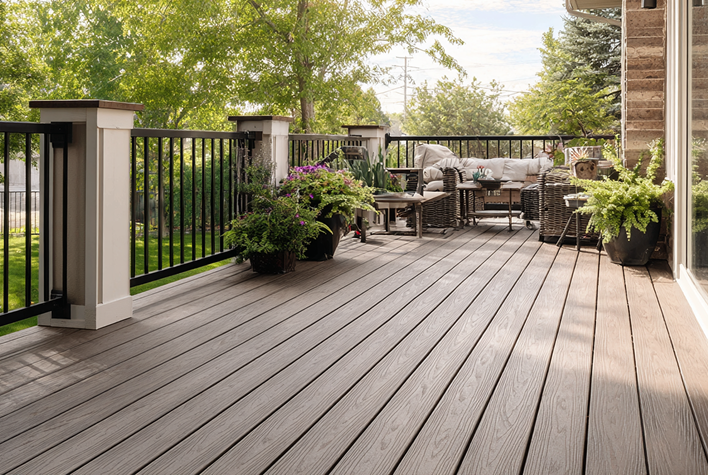
The cost of installing Trex decking can vary based on the deck size, materials, and local labor rates. Trex is a composite material made from recycled wood fibers and plastic, which makes it more durable and lower-maintenance than traditional wood decking.
On average, homeowners spend about $25 to $60 per square foot installed, including the decking boards and basic installation. More complex designs, custom railings, or extra features can increase the final cost.
If you are comparing material prices only, the Trex price per square foot is usually about $5 to $15 for decking boards, depending on the Trex collection, board profile, and retailer. Since many standard Trex boards are about 5.5 inches wide, that works out to roughly $2 to $7 per linear foot before labor. This material-only price is different from the installed square-foot cost because it does not include framing, fasteners, railings, stairs, permits, or labor.
| Deck Size | Average Total Cost |
|---|---|
| 200 sq ft | $5,000 - $12,000 |
| 300 sq ft | $7,500 - $18,000 |
| 400 sq ft | $10,000 - $24,000 |
Trex offers several product lines designed for different budgets and performance needs. Let’s look at them one by one to help you choose the decking that best fits your project and budget.
Several factors influence the overall cost to build a Trex deck. Materials are only one part of the total price, while labor, deck size, and design complexity can also affect the final cost.
Beyond decking boards and installation, several additional costs may affect the total project budget.
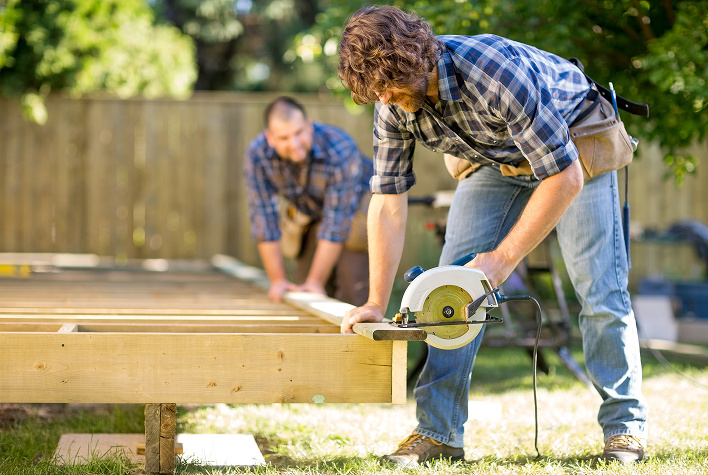
Some homeowners consider installing Trex decking themselves to save money. A DIY project can reduce labor expenses, but it still requires proper tools, construction knowledge, and time to complete the work safely.
Professional installation costs more upfront, but experienced contractors can ensure the deck is built correctly and meets local building codes. For larger or more complex decks, hiring a professional helps avoid costly mistakes and structural issues.
Trex is one of the most well-known composite decking brands, but it’s not the only option. Other popular brands, such as TimberTech, Fiberon, and MoistureShield, also offer similar composite decking products.
In general, composite decking from these brands costs about $20 to $55 per square foot installed, depending on the product line and labor costs. Comparing different brands can help homeowners find the right balance between price, durability, and appearance.
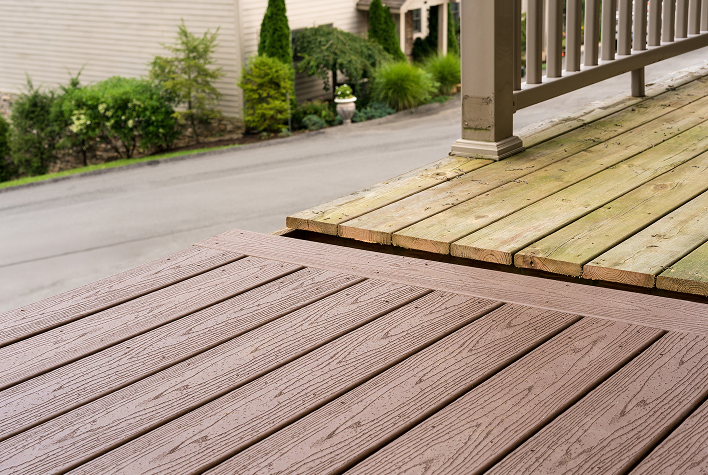
Trex decking usually costs more upfront than traditional wood decking. A wood deck typically runs $15 to $35 per square foot installed, while Trex generally costs $25 to $60 per square foot installed.
However, Trex requires much less maintenance. Wood decks often need regular staining, sealing, and repairs, which can add to long-term costs. Because of this, many homeowners choose Trex when replacing an old deck.
Trex decking can be a significant investment, but there are several ways homeowners can reduce the overall project cost.
Trex decking is often more expensive than traditional wood at the start, but many homeowners find the long-term benefits worthwhile. Composite boards are designed to resist rot, insects, and weather damage, which reduces the need for regular repairs.
Trex also requires very little maintenance compared to wood decking. Since it does not need sanding, staining, or sealing, homeowners can save time and maintenance costs over the life of the deck.
On average, Trex decking costs between $7,500 and $18,000, depending on factors such as deck size, type, design, and labor.
Since Trex decking installation can be complex, it is best handled by professionals to ensure a high-quality result. HomeBuddy can help you connect with local deck professionals and get quotes for your project.
Trex decking typically costs $25 to $60 per square foot installed, including materials and labor. The exact price depends on the Trex product line, deck size, design complexity, and local labor rates.
Trex decking typically lasts 25 to 50 years, depending on the product line, climate conditions, and maintenance. Most Trex boards also come with warranties ranging from 25 to 50 years, which reflects their long-term durability compared to traditional wood decking.
Trex decking is designed with a textured surface that provides traction, so it is not typically slippery when wet. While any outdoor surface can become slick with water, mold, or debris, Trex boards generally offer better slip resistance than many traditional wood decks when properly maintained.
Yes, Trex decking can become warm in direct sunlight, especially in hot climates. Like most composite materials, darker colors tend to absorb more heat, while lighter colors stay cooler. Choosing lighter shades and adding shade structures can help reduce surface temperature.
Yes, Trex decking can be installed over an existing deck frame if the structure is still in good condition. The frame must be stable, free of rot or damage, and meet current spacing and building code requirements.
Yes, Trex decking can increase a home’s value. A composite deck typically recoups about 60% to 70% of its installation cost at resale, depending on the location and market conditions.
In addition to resale value, Trex decks often make homes more attractive to buyers because they offer durability, low maintenance, and usable outdoor living space.