




)
How We Calculated This Cost
HomeBuddy estimates exterior door replacement costs using real project pricing from completed residential door replacement projects, matched against the scope and details submitted in each project request. Estimates reflect differences in door type, material, size, energy-efficiency features, hardware, installation requirements, frame condition, and project complexity. Public pricing references are reviewed to confirm that published ranges remain consistent with current door products and installation costs.
Expanded details
Data used: HomeBuddy project cost data, completed project costs, and residential project request details
Project scope: front door, entry door, patio door, sliding door, and other exterior door replacement projects
Main cost factors: door type, material, size, glass and energy-efficiency features, hardware, frame condition, installation complexity, removal requirements, and local labor costs
Location signals: ZIP, city, and state-level pricing patterns where available
Public references: used to confirm exterior door product and installation cost ranges and keep estimates aligned with current market conditions
Key Points
- Most patio door replacements cost $1,550–$6,250, with a national average around $2,500.
- Basic same-size replacements can start around $600–$1,500, while custom or large multi-panel systems can exceed $10,000.
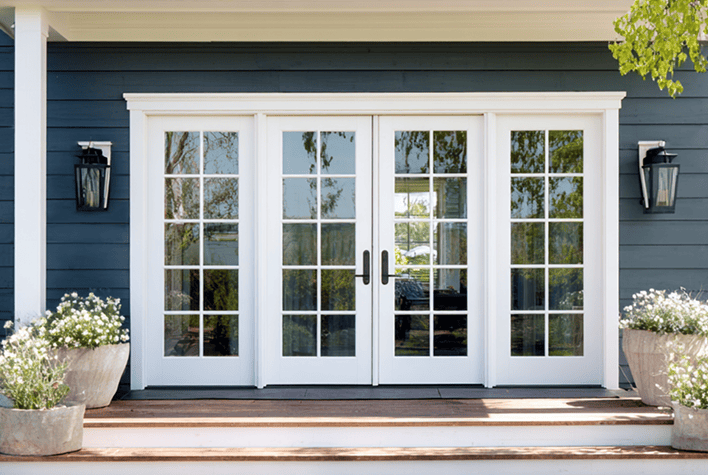
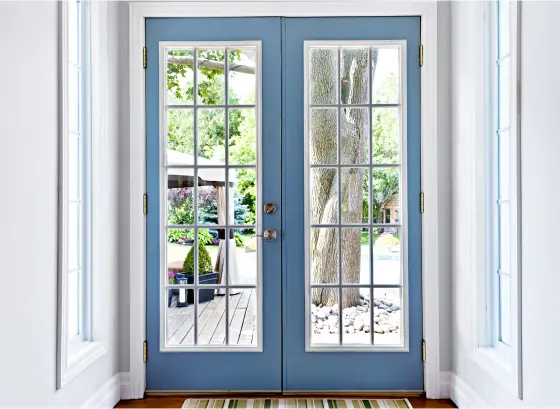
- Sliding patio doors are usually the most budget-friendly style. French, telescoping, and bifold patio doors usually cost more.
- Professional patio door installation labor typically ranges from $300–$1,500, depending on complexity, local rates, and whether the opening needs repairs.
- Repair may be enough if only the glass, rollers, track, screen, handle, or one panel is damaged. Full replacement makes more sense when the frame is warped, leaking, rotted, or no longer square.
Average Cost to Replace a Patio Door
Typical Patio Door Replacement Cost Range
The average patio door replacement cost usually falls between $1,550 and $6,250 for a complete project. That range normally includes the new door, professional installation, standard materials, and basic removal of the old unit.
For very simple same-size replacements, the price may be closer to $600–$1,500. For premium materials, oversized units, bifold systems, or structural changes, the total can rise above $10,000.
| Project Type | Typical Cost |
|---|---|
| Basic same-size patio door replacement | $600–$1,500 |
| Standard patio door replacement | $1,550–$6,250 |
| High-end/custom patio door replacement | $6,500–$10,000+ |
| Large bifold or multi-panel system | $5,000–$20,000+ |
Cost by Project Size and Complexity
A same-size replacement is the cheapest because the installer can remove the old patio door and install the new one in the existing opening. The price rises when the opening needs to be widened, the frame is damaged, or the project requires new trim, siding repair, waterproofing, or structural support.
| Project Scope | What It Usually Includes | Typical Cost |
|---|---|---|
| Entry-level replacement | Basic same-size door, minimal finishing, existing opening in good condition | $600–$1,500 |
| Standard replacement | New door, labor, sealing, trim, and normal finishing work | $1,550–$6,250 |
| Complex replacement | Resizing, frame repairs, premium glass, or a custom door | $6,250+ |
Putting in a patio door where there was no door before is a different project. That usually costs more than replacement because the contractor has to create a new wall opening, adjust framing, install exterior flashing, repair siding, and finish the interior wall.
Patio Door Replacement Cost by Door Type
Patio Door Replacement Cost by Frame Material
Vinyl Patio Doors
Vinyl patio doors are usually the most affordable frame option. Material-only costs often range from $300–$1,200, depending on size and quality.
Vinyl is popular because it is low-maintenance, resists moisture, and does not need painting. It is also a practical choice for homeowners who want a lower upfront price.
The tradeoff is that budget vinyl may not feel as rigid or premium as fiberglass, wood, or aluminum-clad options. In very hot climates, lower-quality vinyl can also expand or warp over time.
Aluminum Patio Doors
Aluminum patio doors typically cost $600–$2,500 for the door itself, before installation. Aluminum is strong, slim, and often used in modern designs where homeowners want narrow frames and larger glass panels.
The main drawback is weaker energy performance. Aluminum conducts heat more than vinyl, fiberglass, or wood unless the frame includes a thermal break. That can matter in very hot or very cold climates.
Aluminum can still be a good option for modern homes, large glass panels, and projects where strength and slim sightlines are priorities.
Fiberglass Patio Doors
Fiberglass patio doors usually cost $800–$3,500 before installation. Fiberglass is durable, stable, and requires less maintenance than wood. It also handles temperature changes better than many lower-cost materials.
Fiberglass is often a good middle ground when you want stronger performance than vinyl without the upkeep of wood. It usually costs more upfront, but it can hold up well in climates with heat, cold, humidity, or regular weather exposure.
Wood Patio Doors
Wood patio doors are usually the premium option, with material costs around $1,500–$5,000 before installation. Wood offers a classic appearance and good insulation, but it requires more upkeep than vinyl, aluminum, or fiberglass.
Wood can be a strong choice for historic homes or high-end designs, but it should be protected from moisture. If the door faces heavy rain, direct sun, or humidity, ask about exterior cladding or protective finishes.
Labor Cost to Replace a Patio Door
Additional Factors That Affect Patio Door Replacement Cost
Repair vs. Full Patio Door Replacement
When Repair May Be Enough
Repair may be enough when the door frame is still solid and the problem is limited to one part. For example, you may not need a full replacement if the issue is a torn screen, worn rollers, a damaged handle, a sticking track, or one broken glass panel.
Repair can also make sense when the door is fairly new and still performs well overall. If the frame is square, the lock works, and there are no leaks or drafts, replacing one part may be the more cost-effective option.
When Full Replacement Makes More Sense
Full replacement makes more sense when the patio door has several problems at once. This includes a warped frame, recurring leaks, condensation between panes, broken locking hardware, severe track damage, or poor energy performance.
Replacement is also the better option if the door is outdated and you want a different style, wider opening, better glass, or a more secure locking system. If repairs are becoming frequent, putting more money into the old door may not be the best long-term choice.
Common Part Replacement Costs: Glass, Rollers, Tracks, and Handles
| Part | Typical Cost |
|---|---|
| Glass replacement | $150–$1,200 |
| Single patio door panel | $450–$700 |
| Screen replacement | $130–$550 |
| Rollers and tracks | $100–$300 |
| Handle or lock hardware | $40–$250 |
If the repair total approaches half the price of a new door, replacement may be the better long-term decision. This is especially true if the frame is also damaged or the door no longer seals properly.
How to Save Money on Patio Door Replacement
Frequently Asked Questions
How long does patio door replacement take?
A standard patio door replacement can often be completed in one day. If the opening is in good condition and the new door is the same size, the work may take only 3–6 hours.
More complex projects can take longer if the installer needs to repair the frame, adjust the opening, add flashing, or install a large multi-panel system.
Can I replace a patio door without replacing the frame?
Yes, but only if the frame is level, square, dry, and structurally sound. If the frame is warped, rotted, leaking, or out of alignment, replacing only the door panels may not solve the problem.
In that case, replacing the full door unit is usually safer. It gives the installer a better chance to seal the opening properly and prevent drafts, leaks, and operational problems.
Do new patio doors increase home value?
A new patio door can improve curb appeal, indoor-outdoor access, comfort, and energy performance. It may also make the home more attractive to buyers, especially if the old door was drafty, hard to open, or visibly damaged.
The value depends on the door quality, installation quality, and whether the new style fits the home. A clean, secure, energy-efficient patio door usually makes a better impression than an old door with worn tracks, fogged glass, or damaged trim.
How often should patio doors be replaced?
Patio doors often last 20–30 years with proper care, but the real lifespan depends on material, weather exposure, installation quality, and maintenance.
Replace the door sooner if you notice drafts, leaks, condensation between glass panes, frame damage, locking problems, or repeated roller and track issues. A door that needs frequent repairs may be more expensive to keep than to replace.
Do I need a permit to replace a patio door?
Permit rules vary by city and county. A simple same-size replacement may not require a permit in some areas, but permits are more likely if you change the size of the opening, alter structural framing, or modify exterior walls.
Ask your contractor or local building department before work begins. This is especially important if the patio door is installed in a load-bearing wall or if the project includes structural changes.
Conclusion
Patio door replacement usually costs $1,550–$6,250, but the final price depends on door type, material, size, glass options, labor, and the condition of the existing opening. Sliding patio doors are usually the most affordable choice, while French, telescoping, and bifold doors can cost more because they require heavier materials and more complex installation. Repair may be enough for rollers, tracks, screens, handles, or one damaged panel, but full replacement is usually better when the frame is damaged or the door leaks. To control the budget, compare materials, keep the existing opening when possible, and get detailed quotes before choosing a contractor. HomeBuddy can help you find local patio door installers near you and compare related HomeBuddy cost guides before starting the project.