)
)
)
)



)
How We Calculated This Cost
HomeBuddy estimates flooring costs using real project pricing from completed residential flooring installation projects, matched against the scope and details submitted in each project request. Estimates reflect differences in flooring material, room size, subfloor condition, removal requirements, installation method, and project complexity. Public pricing references are reviewed to confirm that published ranges remain consistent with current flooring material and installation costs.
Expanded details
Data used: HomeBuddy project cost data, completed project costs, and residential project request details
Project scope: hardwood, laminate, vinyl, tile, carpet, and other residential flooring installation and replacement projects
Main cost factors: flooring material, total square footage, subfloor preparation, existing flooring removal, installation method, room layout, material quality, and local labor costs
Location signals: ZIP, city, and state-level pricing patterns where available
Public references: used to confirm flooring material and installation cost ranges and keep estimates aligned with current market conditions
Key Points
- Installing tile flooring adds durability, style, and long-term value to your home while offering endless design options.
- The average installation cost ranges between $4,300 and $17,200, depending on tile type, room size, and project complexity.
- Material choice - ceramic, porcelain, or natural stone - greatly influences both cost and maintenance needs.
- Preparation work, layout design, and grouting can also affect the total installation price.
- Hiring a professional ensures precision, proper subfloor preparation, and a flawless, lasting finish.
Major Factors Affecting the Tile Flooring Cost
Several factors can influence the overall cost of tile installation. Understanding them can help you budget more accurately for your project. Here are some of them:
-
Type of Tile
The material of the tile is a significant cost determinant. Ceramic tiles can range from $1 to $7 per square foot, while porcelain tiles may cost between $3 to $10 per square foot. Natural stone tiles, such as marble or granite, are more expensive, typically from $7.50 to over $50 per square foot.
-
Tile Size and Shape
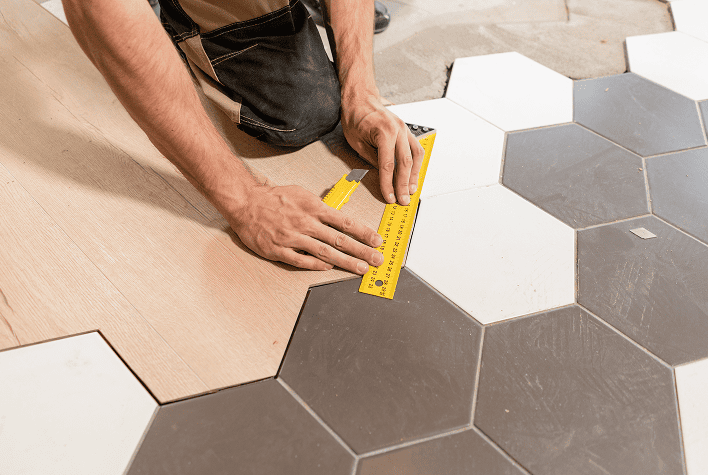
A larger size may reduce labor costs to install floor tile, but can be more expensive per square foot. Smaller tiles might be cheaper initially, but could require more grout and labor, potentially raising the total cost. Unusual shapes or patterns can also increase installation costs due to additional cutting and waste. Here are some common layouts to consider:
How to Reduce the Cost of Tile Flooring Installation
)
While being a beautiful and durable surface, tile flooring costs for a bathroom or other rooms can be high. Here are some strategies to keep your project budget-friendly:
Professional Tile Floor Installer or Do It Yourself: What Is Better?
There are two main options: hiring a professional tile floor installer or doing it yourself. Each approach has its pros and cons, and the best choice depends on your skills, budget, and the complexity of the project. Let’s explore the pros and cons of each approach to help you decide.
Hiring a Professional Tile Floor Installer
- Expertise: Professionals have the experience and knowledge to ensure a flawless installation.
- Efficiency: They can complete the job quickly, often in a single day.
- Warranty: Many offer warranties on their work, giving you peace of mind.
- Quality Installation: Professionals ensure proper subfloor preparation, crucial for long-lasting tile. They also use the right tools and techniques for cutting, grouting, and sealing, resulting in a flawless finish.
- Cost: The average cost for professional installation is between $3 to $12 per square foot, depending on the complexity and materials used.
- Less Control: You have less say in the process and may have to adjust your schedule to their availability.
Doing It Yourself
- Cost Savings: DIY offers the most significant cost to replace tile floor advantage. You'll only pay for the tile materials, grout, and tool rental, which can total $2 to $5 per square foot.
- Flexibility: You can work at your own pace and make decisions on the go.
- Learning Experience: It's a great way to learn new skills and gain confidence in home improvement.
- Time-Consuming: It can take much longer than hiring a professional, especially if you're new to tiling.
- Risk of Mistakes: Without proper experience, you might make errors that could lead to additional costs or a less-than-perfect finish.
- Physical Labor: Tiling is physically demanding and may not be suitable for everyone.
- Tool Investment: While some tools can be rented, you might need to purchase specific equipment for cutting, leveling, and grouting. These tools can add up in cost.
If you’re looking for a quick, expertly done job with minimal hassle, hiring a professional is the way to go. However, if you’re willing to invest time and effort into learning how to tile, and you’re looking to save money, then DIY might be the better option for you. Remember to consider the specific costs associated with each factor when making your decision.
How and Where to Hire a Tile Flooring Professional
When it comes to hiring a tile flooring professional, the process can be streamlined and made more efficient with the help of online services such as Homebuddy.com. This is a platform to connect with local contractors who specialize in various home improvement projects, including tile flooring installation.
To find a tile flooring professional, visit Homebuddy.com, enter your ZIP code, share details about your project, match with a local contractor, and receive a free quote.
Contractors connected through HomeBuddy are trusted experts who ensure a smooth project and durable results. Additionally, they offer a warranty for their services, providing peace of mind that your new flooring will stand the test of time.
By using Homebuddy.com, you can enjoy a hassle-free experience in finding a qualified tile flooring professional who can transform your space with beautiful, long-lasting flooring. Remember to check reviews and ratings to ensure you choose a contractor that meets your expectations for quality and reliability.
Conclusion
Installing tile flooring can be a cost-effective way to enhance the beauty and durability of your home. The price varies depending on the type of tile, the complexity of the project, and your geographic location. Always consider hiring a professional for precise installation and long-term satisfaction. Remember to factor in all associated costs to budget effectively for your flooring project.
Frequently Asked Questions
Why is the cost of tile flooring and installation so high?
There are a few reasons. First, the tile itself can vary in cost depending on the material, size, and design. Second, installing tile is a labor-intensive process that requires skill and precision. Finally, good preparation of the subfloor is crucial for a long-lasting tile floor, and this prep work can add to the project cost.
What is the most practical tile flooring material?
Ceramic and porcelain tiles are very practical options for tile flooring. They are durable, resistant to water, scratches, and stains, and relatively easy to maintain and clean. They are ideal for high-traffic areas like kitchens and bathrooms.
What is the most affordable tile flooring material?
Vinyl and ceramic are among the most affordable tile flooring materials. These options are cost-effective due to their lower material costs and the relative ease of installation, which can often be done as a DIY project
How long does tile flooring installation take?
The time it takes to install tile flooring can vary. For a professional, it may take between 4 to 6 days to complete a tile flooring project, including preparation and finishing. However, the exact duration depends on the room size, the layout complexity, and the installer’s experience.