Foundation problems can show up in many ways, from wall cracks and uneven floors to sticking doors, moisture in the basement, and visible settling. While some issues start small, they can lead to more serious structural damage if they are not addressed in time.
The cost of foundation repair depends on what is causing the problem and how extensive the damage is. Pricing can vary based on the type of foundation, soil conditions, repair method, accessibility, and whether the job involves crack repair, pier installation, waterproofing, or more extensive structural stabilization.
HomeBuddy estimates foundation repair costs using real project pricing from completed residential foundation repair projects, matched against the scope and details submitted in each project request. Estimates reflect differences in foundation type, damage severity, repair method, structural concerns, access conditions, and required excavation or reinforcement work. Public pricing references are reviewed to confirm that published ranges remain consistent with current repair materials and labor costs.
Expanded details
Data used: HomeBuddy project cost data, completed project costs, and residential project request details
Project scope: foundation crack repair, structural foundation repairs, leveling, stabilization, waterproofing-related foundation work, and other residential foundation repair projects
Main cost factors: foundation type, damage severity, repair method, structural requirements, excavation needs, accessibility, materials, reinforcement requirements, and local labor costs
Location signals: ZIP, city, and state-level pricing patterns where available
Public references: used to confirm foundation repair material and installation cost ranges and keep estimates aligned with current market conditions
The average cost for foundation repair ranges from $2,000 to $7,500, with most homeowners paying around $4,500.
The cost depends on the type of foundation, damage extent, soil conditions, materials and labor, location, and many other factors.
Repairing a foundation is an investment in your home’s long-term health and safety and increases your home value.
When Is It Time to Repair Your Home’s Foundation?
Early detection of foundation problems can save you thousands of dollars in repairs. Let's explore the warning signs that your home's foundation needs attention.
Cracks in Walls and Floors
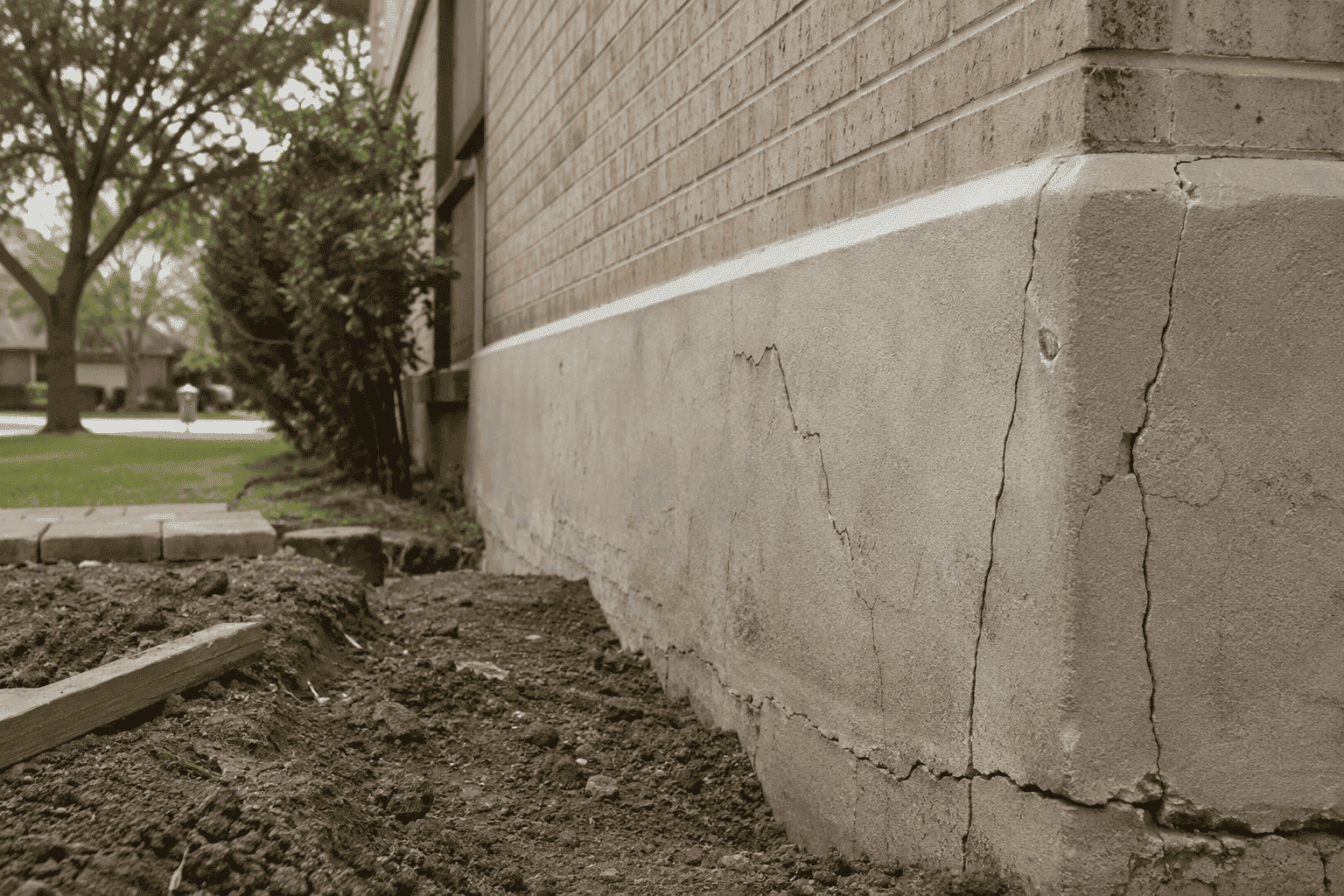
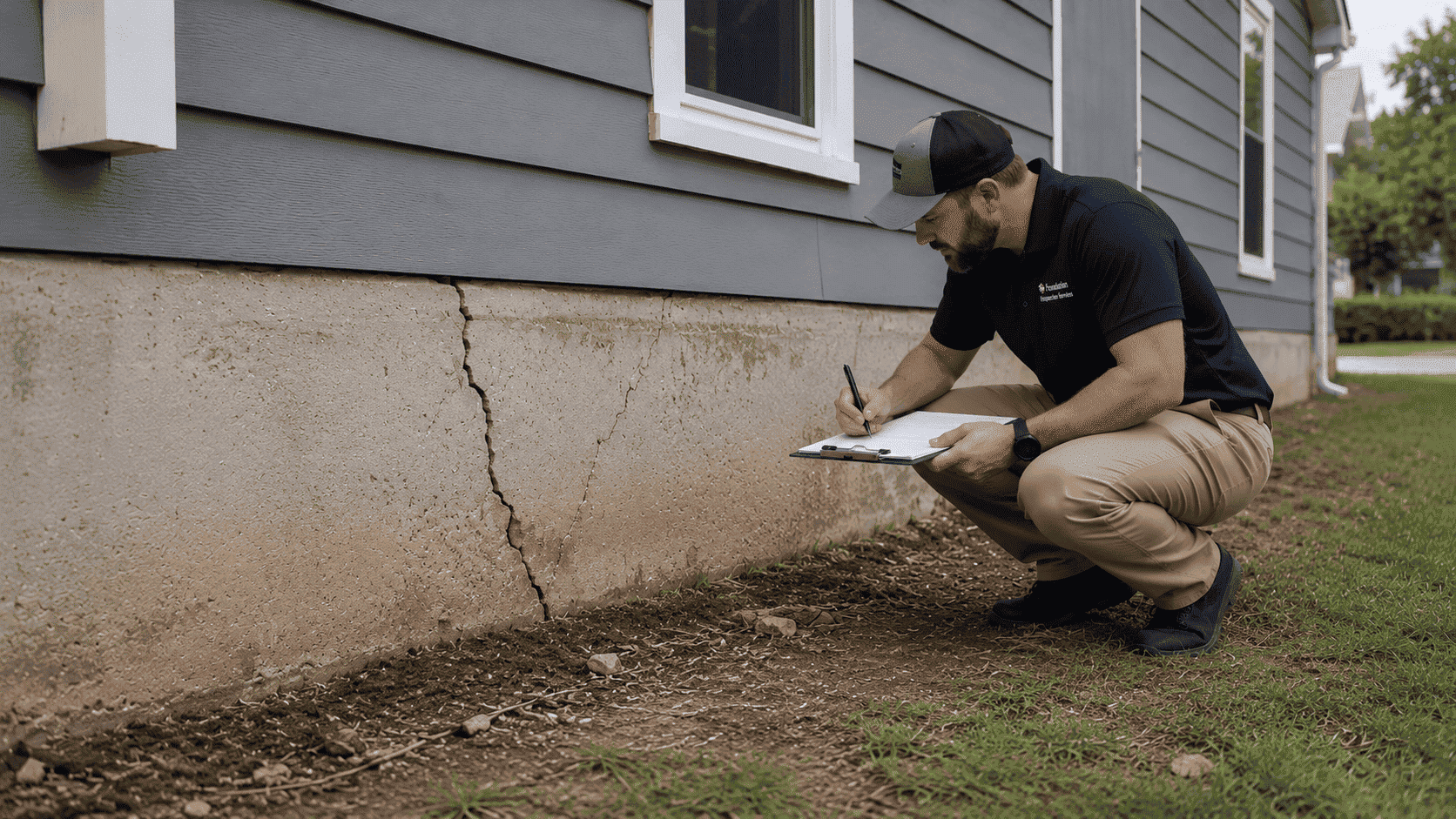
Have you noticed cracks in your drywall, ceiling, or floors? While small hairline cracks are normal as your house settles, larger or growing cracks may indicate foundation problems. Pay close attention to horizontal or stair-step cracks and uneven floors. Cracks are among the most common signs of foundation problems, and even if they seem minor at first, don't ignore them. Over time, these cracks can widen and lead to more severe structural damage.
Doors and Windows That Stick or Don’t Close Properly
Have you noticed that your doors are suddenly difficult to open or no longer align with the frame? If doors don't close smoothly or feel tight in the frame, it could indicate that the frame has shifted due to foundation movement. Similarly, gaps between your window frames and the wall could indicate that the house is shifting on an unstable foundation. Over time, these minor alignment issues can worsen, making it impossible to open or close windows and doors without foundation repairs.
Sagging or Bowing Walls
If you notice that your basement walls or exterior walls are bowing or bulging, this is a serious sign of foundation failure. This could mean that the foundation is shifting because it can no longer properly support the weight of your home or because it is under significant pressure from the surrounding soil. If you notice this problem, it's time to contact professionals immediately. Sagging or bowing walls can quickly become a serious safety hazard if left unaddressed.
Gaps Between the Foundation and House
Sometimes, you might see a visible gap between the foundation and the rest of the house. This often happens when the soil around your home expands and contracts, putting pressure on the foundation and causing it to move. Check for separation between walls and the foundation. This can occur both inside and outside the house. If you can see or feel a gap, it's a clear sign the foundation has shifted. This damage can worsen if not addressed and may require serious repairs like underpinning to stabilize the structure.
Moisture in the Basement or Crawl Space
Excess moisture in your basement or crawl space is another red flag that your foundation needs attention. Water can seep through foundation cracks or around the foundation because of poor drainage, leading to mold, mildew, and pooled water. These are common signs of water intrusion, which can erode the foundation over time and cause structural damage. Unchecked moisture issues can also lead to health risks from mold growth, making this a problem that requires swift attention.
Sinking or Settling Foundation
If you notice that part of your house seems to be sinking or settling lower than the rest, this could indicate a significant foundation issue. A sinking foundation is typically caused by soil erosion or poor construction and can lead to serious structural problems. If you're dealing with a sinking or settling foundation, it's crucial to address it quickly before the issue worsens and leads to more extensive damage.
Exterior Brick Cracks or Separation
If your home has a brick exterior, pay close attention to cracks in the brickwork. Cracks, especially those in a stair-step pattern, are a classic sign of foundation problems. You might also notice that some bricks are pulling away from the house, creating gaps between the bricks and the rest of the structure. These cracks look like a staircase running along your brick wall and are usually a sign of serious movement in the foundation. This type of cracking means the foundation is shifting enough to impact the outer walls, and immediate repair is necessary to prevent further damage.
Factors Affecting the Foundation Repair Cost
The cost can vary significantly. Understanding these factors will help you budget and see where your money is going. Here's a breakdown of the major factors, including typical price ranges.
Type of Foundation
The type of foundation significantly impacts repair costs. Different foundation types require different repair techniques and materials, directly affecting the price.
Slab foundations are generally the least expensive to repair due to easier access. The cost of foundation repair is typically between $500 and $2,500.
Crawl space foundations are slightly more expensive due to the additional labor required for access. Repairs typically cost between $5,000 and $15,000, depending on the extent of the damage.
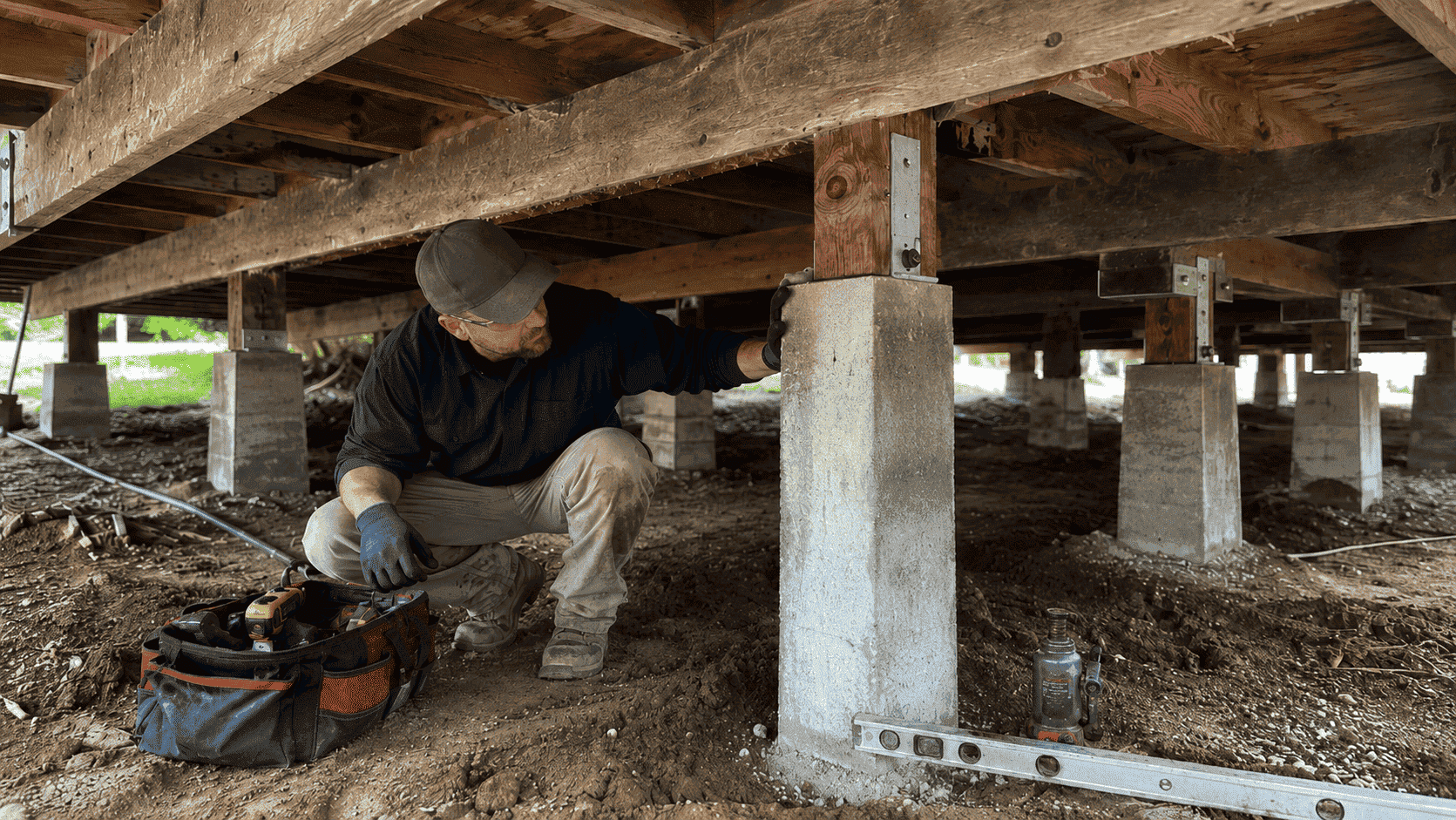
For raised homes, pier-and-beam foundation repair costs can also include shimming, beam replacement, floor joist repair, and crawl space moisture work.
Basement foundations are typically the most expensive to repair, often requiring both structural and waterproofing work. Repairs can range from $10,000 to $20,000 or more for significant damage.
Extent of Damage
The severity of the damage is another critical factor. The larger or more complex the issue, the more time and materials will be required, driving up the cost.
Minor cracks: Small, hairline cracks can be inexpensive to repair, often costing between $500 and $1,000. These are generally cosmetic and easy to fix.
Moderate damage: If your foundation has wider cracks, bowing walls, or sinking sections, the sinking foundation repair cost can rise to between $4,000 to $10,000, depending on the severity of the issue.
Major structural damage: If the foundation is severely compromised, such as when the home is sinking or shifting, the repairs can be extensive, with costs running anywhere from $10,000 to $50,000 or more, especially if underpinning is required.
Soil Conditions
The type of soil your home is built on is vital. Expansive soils, such as clay, can shift dramatically with moisture changes, leading to more complex repairs.
Stable soils: Homes built on stable soil types typically face fewer foundation issues, and any repairs are likely to be simpler and less costly, ranging from $500 to $3,000.
Expansive or shifting soils: If your home is built on soil that expands and contracts with moisture levels, like clay, expect more significant issues, including the need for piers or slab jacking. Repairs in these cases can cost between $5,000 and $15,000, depending on the extent of the damage.
Method of Repair
Different foundation problems require different repair methods, and each method comes with its own price tag.
Crack sealing: Filling minor cracks can be a relatively inexpensive job. The crack in foundation repair cost typically ranges from $500 to $2,000, while cracked slab foundation repair may cost more depending on the length of the crack and the material used.
Slab jacking: For homes with sinking or uneven slabs, slab jacking (or mud jacking) is often used. This involves pumping a mixture underneath the slab to raise it back into place. The cost typically falls between $500 and $1,300 per section.
Piering: If your foundation is sinking or settling unevenly, piers may be required to stabilize it. This is one of the most expensive repair methods, with prices ranging from $1,000 to $3,000 per pier, and most homes require several piers.
Waterproofing: In homes with basements, waterproofing may be necessary to prevent further water damage, which can cause structural problems. This can add an additional $2,000 to $6,000 to the repair cost.
Access to the Foundation
The accessibility of your foundation also plays a part in the overall repair cost. If contractors have to work in tight spaces or dig deep around your home, it will increase labor costs.
If your foundation is easily accessible, you can expect lower labor costs. Repairs in these cases can range from $500 to $5,000. If the foundation is located in a hard-to-reach area or requires significant excavation, the price can rise. Excavation alone can add $1,000 to $5,000 to the overall cost, depending on the complexity of the job.
Location
Where you live can significantly affect the cost of foundation repair. Labor rates, material prices, permitting requirements, soil conditions, and the type of foundation common in your area can all influence the final price.
This is especially noticeable in Texas, where repair costs vary between major metro areas. Expansive clay, seasonal moisture changes, drainage conditions, and the number and depth of piers required can all affect what homeowners ultimately pay.
Many foundation repair projects require permits, especially for large-scale work like underpinning or foundation replacement. The cost of these permits can vary depending on your location.
Depending on where you live, permits can cost between $75 and $500. Some municipalities may also require inspections before and after the work is completed, adding to the cost.
Home Size
The size of your home also plays a role in the overall repair cost. Larger homes typically require more extensive work because they place more strain on the foundation.
For smaller houses, you may find home foundation repair costs ranging from $2,000 to $8,000 for moderate issues.
Repairs for larger homes, especially those with significant damage, can range from $10,000 to $40,000 or more due to the increased labor and materials needed.
Age of the Home
Older homes may have outdated or worn-out foundation materials that make repairs more complex and expensive.
Homes built in the last few decades may require simpler, more straightforward repairs, with costs falling between $3,000 and $8,000.
For homes over 50 years old, repairs could involve replacing portions of the foundation, which can easily drive repair costs to $10,000–$30,000, depending on the extent of the damage.
Repair Cost Depending on the Problem
Problem
Description
Price Range
Hairline Cracks
Small, surface-level cracks less than 1/8 inch wide. Usually cosmetic, but should be monitored.
$500 – $1,000
Structural Cracks
Wider than 1/8 inch, often extending through the foundation wall. This may indicate serious structural issues.
$800 - $3,500 per crack
Bowing/Bulging Walls
Basement or exterior walls that lean due to pressure from soil movement.
$5,000 – $15,000
Stair-Step Cracks
Cracks in a stair-step pattern in brick or masonry, indicating foundation movement.
$800 – $4,000
Foundation Settling
When parts of the house sink unevenly, leading to cracks and sloping floors.
$2,000 – $10,000
Uneven Floors
Floors that slope due to foundation shifts or settling.
$2,000 – $15,000
Sinking Foundation
Significant settling is causing parts of the home to sink below ground level.
$10,000 – $50,000
Slab Cracks
Cracks in the slab foundation are caused by settling or expansive soil.
$500 – $2,500
Water Intrusion
Water seeping into the basement is usually caused by foundation cracks or poor drainage.
$2,000 – $6,000
Leaning Chimney
A chimney pulling away from the house due to foundation movement.
$1,500 – $7,500
Erosion Under Foundation
Soil erosion causes voids under the foundation, leading to settling or cracks.
$1,000 – $10,000
Pier Installation
Installing piers to stabilize a foundation that’s sinking or settling unevenly.
$1,000 – $3,000 per pier
Foundation Leaks
Water seepage through foundation walls or floor, causing moisture damage.
$2,500 – $8,000
Pier and Beam Issues
Problems with a support structure in raised foundations. May need beam replacement or reinforcement.
$4,000 - $15,000
Foundation Heaving
Soil expansion pushes the foundation upward, often due to moisture issues.
$6,000 - $18,000
Foundation Rotation
Foundation tilting or rotating, affecting the entire structure.
$8,000 - $25,000
Foundation Drainage Issues
Poor drainage is causing water accumulation and foundation damage.
$2,000 - $6,000
Repair Cost Depending on the Repair Type
Repair Type
Description
Price Range
Crack Sealing
Filling and sealing minor foundation cracks to prevent further damage.
$500 – $2,000
Slab Jacking
Injecting material beneath a sinking slab to lift it back into place.
$500 – $1,300 per section
Pier Installation
Installing steel or concrete piers to stabilize a settling foundation.
$1,000 – $3,000 per pier
Underpinning
Strengthening the foundation by adding support beneath the existing structure.
$10,000 – $30,000
Waterproofing
Sealing foundation walls to prevent water intrusion into the basement.
$2,000 – $6,000
Bowing Wall Repair
Using wall anchors or braces to stabilize walls that are bowing or bulging.
$5,000 – $15,000
Foundation Replacement
Complete removal and replacement of the foundation due to severe structural damage.
$20,000 – $100,000+
Drainage Correction
Installing or repairing drainage systems to redirect water away from the foundation.
$1,500 – $6,000
Mud jacking
Concrete slab foundation repair by raising a sunken concrete slab and injecting a mixture of cement and water under it.
$500 – $1,500 per section
Epoxy Injection
Injecting epoxy into foundation cracks to restore structural integrity.
$1,000 – $3,000
Soil Stabilization
Using chemical or mechanical methods to stabilize shifting soil under the foundation.
$2,000 – $10,000
Money-Saving Tips When Repairing the Foundation
While foundation repair is a significant investment, there are ways to manage the costs and potentially save money without compromising the quality of the work. Here are some practical tips:
Address Problems Early: Don't wait for minor cracks to become major structural issues. Early detection and repair can prevent more extensive and expensive damage down the line.
Get Multiple Quotes: Request foundation repair estimates from at least three reputable foundation repair contractors. This allows you to compare prices, services, and warranties. Don't automatically choose the lowest bidder; consider the contractor's experience and reputation as well.
Ask About Payment Plans: Many contractors offer financing options or payment plans to help homeowners manage the cost of foundation repair.
Inquire About Discounts: Some companies offer discounts for seniors, veterans, or referrals. Don't hesitate to ask if any discounts apply to your situation.
Address Drainage Issues: Poor drainage is a common cause of foundation problems. Ensure your gutters are clean and functioning properly, and that the ground slopes away from your foundation to prevent water accumulation.
Do Simple Repairs Yourself: If you're handy and the damage is minor, you might be able to tackle some repairs yourself, such as sealing small cracks. However, for significant structural issues, always consult a professional.
Regularly Inspect Your Foundation: Perform routine inspections of your foundation to identify potential problems early on. This can help prevent costly repairs in the future.
Maintain Proper Landscaping: Trees and shrubs planted too close to your foundation can cause soil movement and foundation damage. Ensure proper landscaping practices to minimize these risks.
Professional Repair or Doing It Yourself
Cost: Higher upfront cost but ensures long-term stability and quality (can range from $2,000 to $50,000+).
Skill Level Required: Requires specialized knowledge and equipment to ensure proper repair.
Time Investment: Professionals can complete the job efficiently, often within days or weeks, depending on the complexity.
Quality of Work: High-quality, long-lasting results with warranties offered by reputable contractors.
Safety: Professionals follow strict safety protocols, reducing the risk of accidents.
Warranties: Most licensed contractors offer warranties, giving you peace of mind.
Legal Requirements: Professionals handle permits and inspections required by local laws.
Cost: Lower initial cost but may require future fixes (materials cost between $50 and $1,500).
Skill Level Required: Suitable for minor cracks or cosmetic fixes; requires basic knowledge of materials and methods.
Time Investment: Can take significantly longer, especially if you're unfamiliar with the process.
Quality of Work: Quality varies depending on skill level and experience. Mistakes could lead to further damage.
Safety: DIY repairs come with safety risks, especially for larger issues involving structural stability.
Warranties: No warranty for DIY repairs, meaning any future issues will come out of your pocket.
Legal Requirements: You may need to navigate permits and inspections yourself, which can be time-consuming.
If you decide to hire a professional for your foundation repair, it's essential to choose a qualified and reputable contractor. First, ask friends, family, and neighbors for referrals. Then, make sure the contractor is licensed and insured to protect yourself in case of accidents or damage. Also, choose a contractor with extensive experience in foundation repair and who offers warranties on their work.
Finding reliable contractors can be a daunting task. That's where Homebuddy.com comes in. This platform connects homeowners with qualified professionals across the US, simplifying the process of finding the right expert for your needs. Whether you need foundation repair, roofing, plumbing, or any other home improvement service, Homebuddy.com can help you find trusted professionals in your area.
What to Consider When Choosing the Foundation Repair Warranty
Understanding your foundation repair warranty is crucial. Consider these key factors:
Evaluate the warranty's duration. While some cover repairs for a few years, others offer lifetime coverage. Longer warranties offer greater peace of mind, but weigh this against any potential extra cost.
Review the fine print to determine the scope of coverage. Some warranties encompass both materials and labor, while others may only cover specific repair aspects or exclude certain types of damage.
A transferable warranty can be a significant selling point if you plan to sell your home. Ensure the warranty is transferable to new homeowners.
Research the company's reputation. Check online reviews and ratings to confirm their reliability and history of honoring warranties.
Familiarize yourself with the claim process. Is it straightforward? What is their claim response time? A lengthy or complicated process can be frustrating when repairs are needed.
Be mindful of potential additional costs. Some warranties may require annual inspection fees or include other hidden charges.
Conclusion
Repairing your home's foundation is a crucial investment that protects its structural integrity and value. While the cost can vary significantly, understanding the factors involved and exploring money-saving options can help you make informed decisions.
Whether you opt for professional help or tackle minor issues yourself, addressing foundation issues promptly will save you time, money, and stress in the long run. Remember to prioritize preventative measures and regular inspections to maintain a solid foundation for your home.
Frequently Asked Questions
How long does foundation repair take?
Foundation repair can take anywhere from a few days to several weeks, depending on the extent of the damage and the method of repair. Simple crack repairs might take just a day, while more complex solutions like piering could take longer.
Will foundation repair affect my home insurance?
Most home insurance policies do not cover foundation repairs unless the damage was caused by a covered event like flooding, storm, or fire. It's best to check with your insurance provider to understand your specific coverage.
Can I live in my home during foundation repair?
In most cases, you can stay in your home while foundation repairs are being carried out. However, if extensive work is needed or if the repairs involve significant disruption, you might need to temporarily relocate.
When is the best time of year to repair a foundation?
Spring and fall typically offer moderate temperatures and drier conditions. However, modern repair techniques allow contractors to work effectively even in challenging weather conditions. Consult with your contractor to determine the best time for your project based on your specific needs and local climate.
Can I sell my house with foundation problems?
Yes, you can sell a house with foundation problems, but it might be more challenging. Foundation issues can significantly impact the value of your home and deter potential buyers. It's recommended to disclose any known foundation problems to potential buyers. Be prepared to offer a discount that reflects the expected foundation repair cost.


)
)
)
)
)