











)
How We Calculated This Cost
HomeBuddy estimates HVAC costs using real project pricing from completed residential HVAC installations and replacements, matched against the scope and details submitted in each project request. Estimates reflect differences in system type, equipment size, efficiency ratings, home requirements, ductwork conditions, electrical needs, and installation complexity. Public pricing references are reviewed to confirm that published ranges remain consistent with current HVAC equipment and labor costs.
Expanded details
Data used: HomeBuddy project cost data, completed project costs, and residential project request details
Project scope: HVAC replacement and installation projects involving air conditioners, furnaces, heat pumps, ductless systems, and complete residential HVAC systems
Main cost factors: system type, equipment capacity, efficiency rating, home size, ductwork condition, electrical requirements, permits, installation complexity, and local labor costs
Location signals: ZIP, city, and state-level pricing patterns where available
Public references: used to confirm HVAC equipment and installation cost ranges and keep estimates aligned with current market conditions
Key Points
- The average boiler replacement cost ranges from $4,000 to $13,500, depending on the boiler type, size, and installation complexity.
- High-efficiency condensing boilers cost more upfront but can lower long-term heating bills through better energy efficiency.
- Boiler size is typically measured in BTUs, and choosing the wrong size can lead to higher energy costs and uneven heating.
- Fuel type plays a major role in pricing, with gas boilers usually costing less to operate than oil or electric systems.
Average Boiler Replacement Cost
Most homeowners pay between $4,000 and $13,500 to replace a boiler, including the new unit and installation. The final cost mainly depends on the boiler size, fuel type, efficiency, and installation difficulty.
If the replacement is simple and uses existing connections, costs stay lower. If contractors need to upgrade venting, gas lines, plumbing, or electrical systems, the price rises quickly.
-
Boiler Replacement vs. New Installation: Price Difference
Replacing an old boiler is much cheaper than installing a completely new heating system.
Project Type Average Cost Boiler replacement $4,000 - $13,500 New boiler installation $8,000 - $20,000+ A replacement project costs less because contractors can often reuse:
A new installation costs more because the home may need:
If your current boiler still uses the same fuel source and the existing system is in good condition, replacement costs are usually much lower.
Boiler Replacement Cost by Home Size and Heating Capacity
Boiler size has a major impact on replacement cost. Larger homes need boilers with higher BTU output to heat the space properly, and bigger boilers cost more to buy and install.
Choosing the wrong size can create problems. An undersized boiler may struggle to heat the home evenly, while an oversized boiler can waste energy and increase monthly heating bills.
Boiler Replacement Cost by Fuel Type
The fuel type you choose affects both the upfront replacement cost and your long-term heating bills. Some boilers cost less to install but more to operate over time, while others have higher installation costs but better energy efficiency.
In many cases, switching fuel types increases costs because contractors may need to add new fuel lines, storage tanks, or ventilation systems.
Boiler Installation Cost by System Design
The type of boiler you choose affects both the installation cost and long-term energy bills. Some systems cost less upfront, while others are more efficient and cheaper to run over time.
Labor Costs and Additional Installation Expenses
Labor is a big part of boiler replacement costs, usually adding $1,500 to $4,000 to the total. Simple replacements cost less since existing pipes and venting can often stay in place.
Costs go up when contractors need to update old systems, change piping, or meet newer building codes.
Here are some common additional costs homeowners may face during a boiler replacement:
| Additional Expense | Typical Cost Range |
|---|---|
| Old boiler removal | $300 - $1,000 |
| New venting or chimney liner | $500 - $2,000 |
| Plumbing upgrades | $500 - $3,000 |
| Gas line modifications | $300 - $1,500 |
| Electrical upgrades | $300 - $2,000 |
| Permit and inspection fees | $100 - $800 |
| Thermostat replacement | $150 - $500 |
Older homes often cost more because contractors may discover:
Boilers installed in tight basements or hard-to-reach spaces usually cost more because the job takes longer.
Switching to a different boiler type can also add thousands to the project if parts of the heating system need to be redesigned.
Energy Efficiency and Long-Term Savings
A high-efficiency boiler costs more upfront, but it can lower heating bills over time. These systems use less fuel to heat your home, which can make a big difference during colder winters.
Replacing an older boiler with a more efficient model can noticeably cut yearly energy costs in many homes.
Other Factors That Affect Your Final Price
Boiler replacement costs can vary a lot, even for similar homes. Things like plumbing condition, local labor rates, zoning systems, and warranty coverage can all affect the final price.
Boiler Replacement vs. Repair: Which Makes More Sense?
In some cases, repairing a boiler is cheaper and more practical. But if the system is old, inefficient, or constantly breaking down, replacement usually saves more money long term.
A good rule is this: if the repair cost is close to half the price of a new boiler, replacement is often the better investment.
| Situation | Recommended Option | Typical Cost |
|---|---|---|
| Boiler under 10 years old with a minor issue | Repair | $150 - $1,000 |
| Boiler with a major component failure | Depends on repair cost and efficiency | $1,000 - $3,000+ |
| Boiler 15+ years old with frequent breakdowns | Replace | $4,000 - $13,500 |
Replacing an older boiler can make sense if you are dealing with:
Older boilers are usually far less efficient than modern systems, so even if repairs are possible, operating costs may remain high.
However, if the boiler is relatively new and the problem is small, repairing it is often the cheaper option. Common affordable repairs include:
A licensed HVAC professional can help you determine whether the boiler still has enough lifespan left to justify repairs.
DIY vs. Hiring a Professional Boiler Installer
Boiler installation is not a typical DIY project. In most states, installing or replacing a boiler requires licensed professionals because the work involves gas lines, electrical connections, plumbing, ventilation, and safety testing.
Trying to install a boiler yourself can create serious safety risks and may void the manufacturer’s warranty.
Tips to Lower Your Boiler Installation Cost
Boiler replacement costs can quickly rise, especially if the project involves plumbing, venting, or electrical upgrades. However, there are several realistic ways homeowners can reduce the total price.
High-efficiency boilers cost more upfront, but they can lower monthly heating bills enough to save money long term. In colder climates, the energy savings are often significant.
You should also be careful about unusually low quotes. Cheap installations sometimes leave out permit costs, system upgrades, or warranty coverage, which can create expensive problems later.
Does a New Boiler Increase Home Value?
A new boiler can increase home value, but the biggest benefit is usually making the home easier to sell and reducing buyer concerns about future repair costs.
Buyers often see an old boiler as a major upcoming expense. Replacing it before selling can help your home feel more updated and move-in ready.
A new high-efficiency boiler can also:
This matters more in colder climates where heating systems are heavily used.
In many cases, homeowners will not recover the full installation cost directly in resale value. However, homes with newer heating systems are often more attractive to buyers than homes with aging boilers nearing the end of their lifespan.
Conclusion
Boiler replacement typically costs between $4,000 and $13,500, depending on the boiler type, size, fuel source, and installation work needed.
Before replacing your boiler, you should compare quotes, check warranty coverage, and make sure the system is properly sized for your home. If you’re ready to start, comparing local HVAC contractors near you can help you find qualified installers and better pricing.
Frequently Asked Questions
How long does boiler replacement typically take?
Most boiler replacements take 1 to 3 days. Simple replacements can be finished in one day, while larger jobs that need new pipes, venting, or fuel line work usually take longer.
What are the signs my boiler needs replacing?
Common signs include:
- Frequent breakdowns
- Rising heating bills
- Uneven heating
- Leaks or corrosion
- Strange banging or whistling noises
- Difficulty finding replacement parts
Most boilers last around 15 to 20 years. If repairs are becoming frequent or expensive, replacement is usually more cost-effective long-term.
Boiler vs. Furnace: Which Is Right for My Home?
A boiler is usually better for homes with radiators or underfloor heating, while a furnace is better for homes with ductwork. Boilers provide slower, more even heat and are often more energy efficient. Furnaces heat homes faster and usually cost less to install.
What's the difference between a boiler and a water heater?
A boiler heats your home and can also provide hot water, while a water heater only supplies hot water for sinks, showers, and appliances. Boilers connect to radiators, baseboard heaters, or underfloor heating systems. Water heaters do not heat the home.
Does homeowners' insurance cover boiler replacement?
Homeowners' insurance usually does not cover boiler replacement. It may only cover the cost if the boiler was damaged by a sudden covered event, such as a fire, storm, or burst pipe. It does not cover old boilers that fail because of age, wear, or lack of maintenance.
How long does a boiler typically last?
Most boilers last between 15 and 20 years with proper maintenance. High-quality boilers that are serviced regularly can sometimes last longer. Poor maintenance, hard water, and frequent repairs can shorten the lifespan.
-
-
How Much Does It Cost to Replace a Water Heater?
-
Tankless Water Heater Cost
-
Average Cost to Install Gas Furnace
-
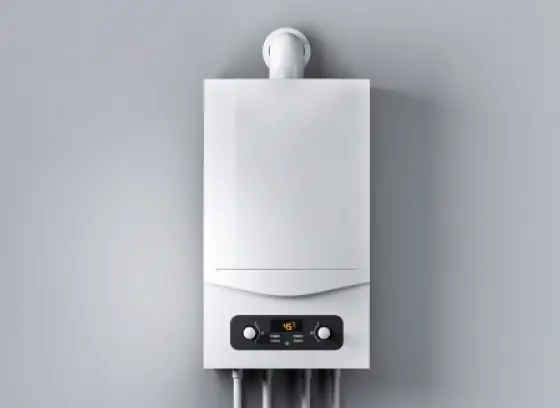
How Much Does a New Furnace Cost?
-
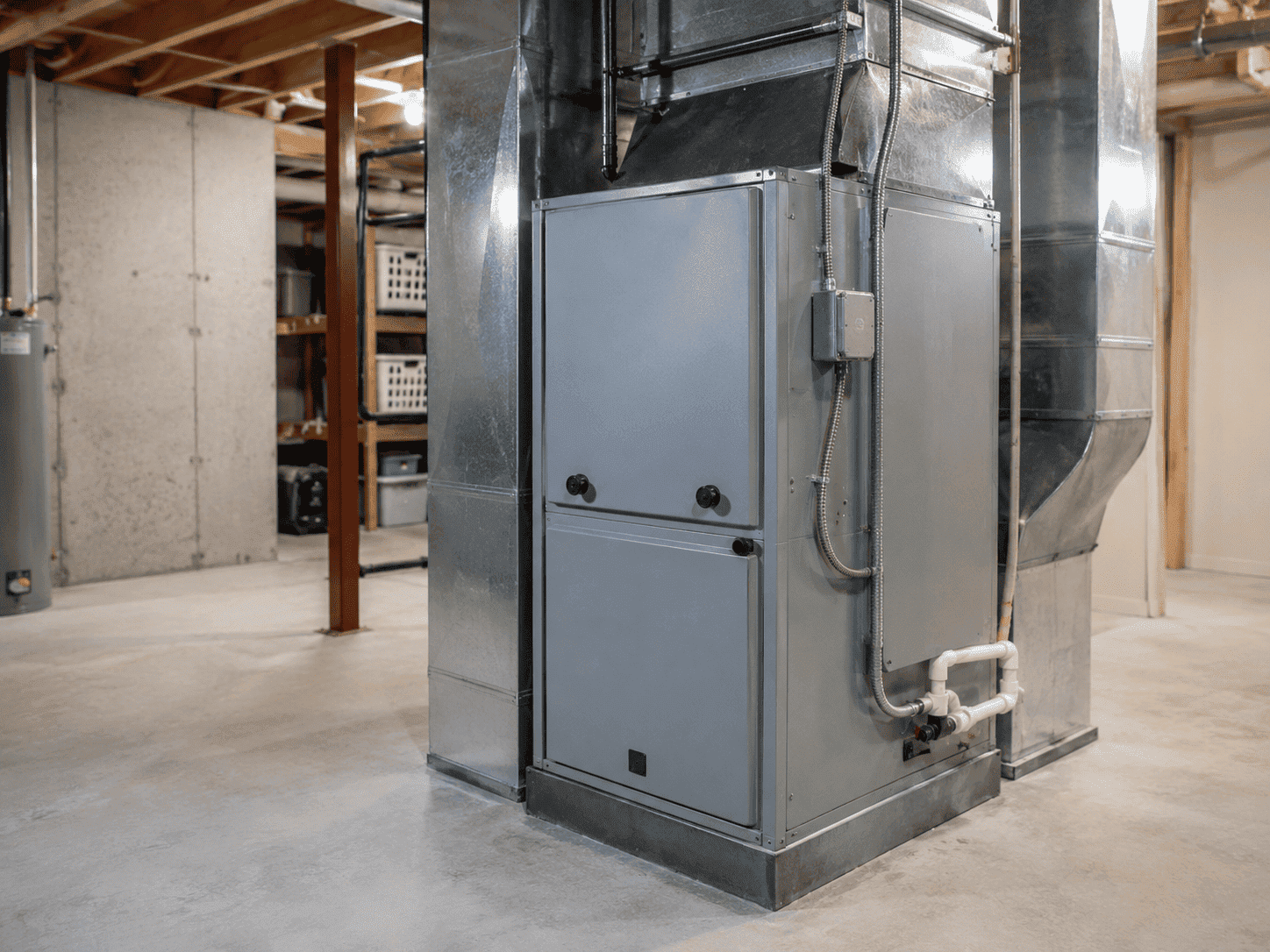
Cost of Electric Furnace
-
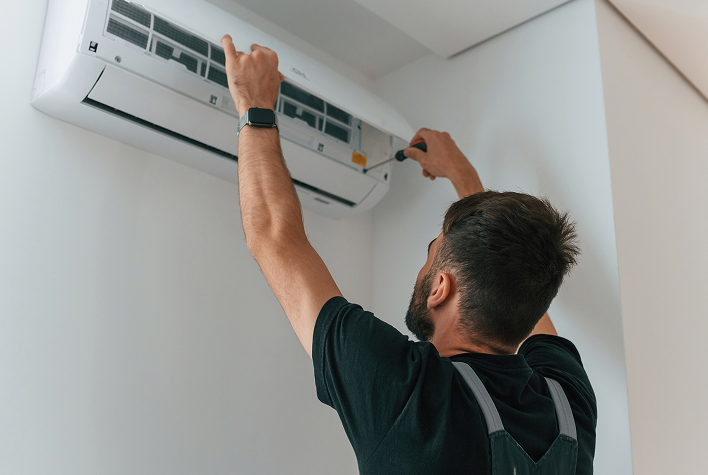
How Much Does It Cost to Replace an Air Conditioner
-
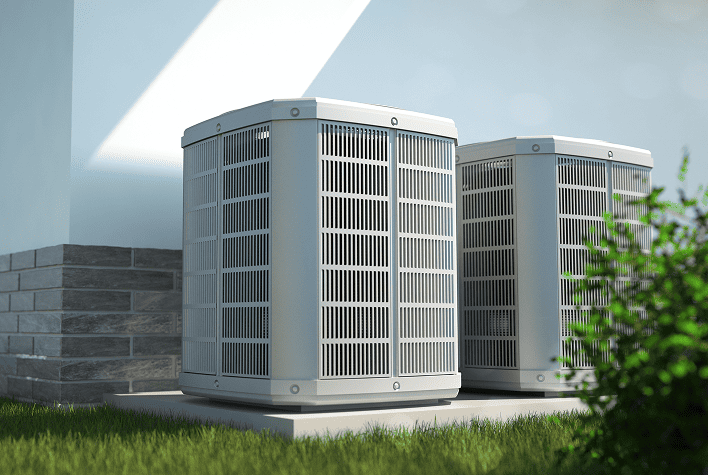
How Much Does a Heat Pump Cost
-
How Much Does a Ductless Heat Pump Cost
-
How Much Does It Cost to Replace a Radiator?
-
How Much Does a Geothermal Heat Pump Cost
-
How Much Does a New HVAC System Cost
