


)
How We Calculated This Cost
HomeBuddy estimates siding costs using real project pricing from completed residential siding installation and replacement projects, matched against the scope and details submitted in each project request. Estimates reflect differences in exterior wall area, siding materials, home size, design complexity, existing siding removal, insulation requirements, and related exterior work. Public pricing references are reviewed to confirm that published ranges remain consistent with current material and installation costs.
Expanded details
Data used: HomeBuddy project cost data, completed project costs, and residential project request details
Project scope: siding installation and replacement projects involving vinyl, fiber cement, wood, metal, stucco, and other exterior siding materials
Main cost factors: exterior wall area, siding material, home size, architectural complexity, removal and disposal requirements, insulation or house wrap, trim work, repairs, and local labor costs
Location signals: ZIP, city, and state-level pricing patterns where available
Public references: used to confirm siding material and installation cost ranges and keep estimates aligned with current market conditions
Key Points
- Material alone costs $2–$6 per sq. ft.; professional labor adds another $4–$9 per sq. ft.
- Labor typically accounts for 50–65% of your total budget.
- Style matters: lap siding is the most affordable option, while shingle siding can cost up to twice as much.
- Hardie board lasts 30–50+ years and delivers an estimated 86–114% return on investment at resale, depending on the source, year, and region.
- Getting at least three competing quotes and scheduling work in the off-season, such as fall or early winter, are two of the most effective ways to reduce costs.
Average Hardie Board Siding Cost: What the Numbers Actually Look Like
Average Material Cost
For the siding panels themselves, expect to pay $2–$6 per sq. ft., depending on the product line and finish. Premium lines like the Artisan® Collection or specialty ColorPlus® finishes will be more expensive.
For a 2,000 sq. ft. home, material costs alone typically run between $4,000 and $12,000 before installation.
Average Installation Cost
Professional Hardie board siding installation cost (labor only) is $4–$9 per sq. ft. Factors like home height, architectural complexity, and regional labor rates determine where you land in that range. For a 2,000 sq. ft. home, expect to budget $8,000–$18,000 for labor.
Average Total Cost
Combining materials and labor, here's what the price to install Hardie board siding looks like across home sizes:
| Home Size | Estimated Total Cost |
|---|---|
| 1,000 sq. ft. | $7,000–$15,000 |
| 1,500 sq. ft. | $10,500–$22,500 |
| 2,000 sq. ft. | $14,000–$30,000 |
| 2,500 sq. ft. | $17,500–$40,000 |
The national average for a full installation sits around $15,000–$25,000. Keep in mind that homes with complex designs or premium product lines can easily exceed these ranges.
What Is Hardie Board Siding — and Why Is It Different?
)
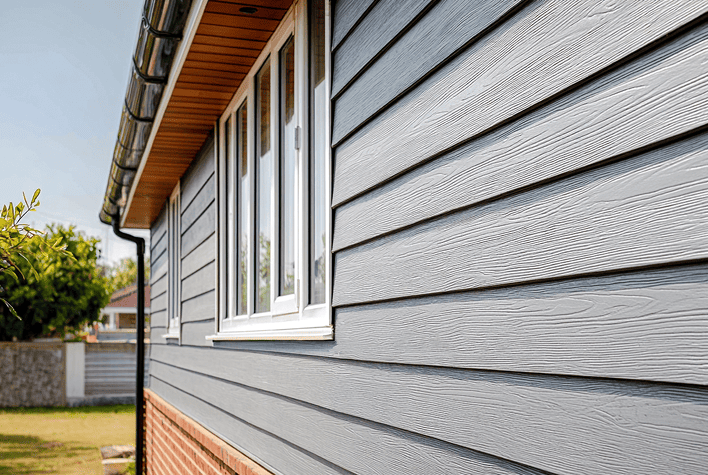
Hardie board is a brand of fiber cement siding manufactured by James Hardie Industries, the company that pioneered modern asbestos-free fiber cement siding in the mid-1980s, transitioning away from earlier asbestos-based products. It’s made from a compressed blend of Portland cement, silica sand, and cellulose (wood) fibers. This combination results in a dense, stable board with impressive resistance to severe weather and environmental wear.
What makes it stand out from other siding materials is its versatility. It can convincingly mimic the look of cedar shingles, natural wood grain, or smooth stucco at a fraction of the cost of those natural materials. It comes in a wide range of profiles and textures, from traditional horizontal lap planks to vertical board-and-batten panels and individual shingles.
Hardie board is also available in two finish types: pre-primed (which you paint after installation) and factory-finished ColorPlus®, which uses a baked-on color with a 15-year fade resistance warranty. ColorPlus boards cost more upfront, but the factory finish can delay repainting and may reduce maintenance costs over the first 15 years.
Why Homeowners Choose Hardie Board Siding
The strongest argument for Hardie board isn't its good looks — it's the combination of durability and low long-term cost. Here are the main reasons homeowners consider it:
What Factors Affect Hardie Board Siding Cost?
Understanding where the money actually goes helps you plan your budget accurately and spot potential savings. Here are the main cost drivers.
Hardie Board Siding Cost by Style: Which Profile Fits Your Budget?
James Hardie offers several siding profiles, each with different price points and installation requirements.
Hardie Board vs. Other Siding Materials: An Honest Comparison
The Hardie board siding cost looks high until you compare it against competing materials on a total-cost-of-ownership basis. Here's how the main alternatives compare.
Vinyl Siding — Lower Upfront, Higher Long-Term Cost
Vinyl is the most widely installed siding in the United States and the go-to choice for budget-conscious homeowners. It's lightweight, easy to install, and requires almost no maintenance.
| Factor | Hardie Board | Vinyl |
|---|---|---|
| Installed cost | $7–$18/sq. ft. | $3–$7/sq. ft. |
| Lifespan | 30–50+ years | 20–40 years |
| ROI at resale (varies by region and year) | ~86–114% | ~96.5% |
The cost gap is real, but so is the durability gap. Vinyl is vulnerable to cracking in extreme cold, warping or melting near heat sources, and fading from UV exposure. It can also crack from hail or impact damage in ways that often require full panel replacement rather than a simple patch. Within 50 years, Hardie board typically proves cheaper in total cost when factoring in replacement cycles and maintenance.
Wood Siding — Beautiful but High-Maintenance
Real wood siding — cedar, redwood, or pine — offers authentic character and visual warmth that fiber cement can only imitate. But it comes with high ongoing costs.
Wood siding requires repainting or restaining every 5–10 years to prevent rot and moisture damage. It's also susceptible to termites, woodpeckers, and mold. While wood's initial installed cost can be similar to Hardie board ($6–$15 per sq. ft.), the lifetime maintenance expenses typically make it the most expensive option over the long run.
Stucco — Regional Favorite with Its Own Tradeoffs
Stucco — a cement-based plaster applied directly to exterior walls — is popular in southwestern and Mediterranean-style homes. It's durable and fire-resistant, but it's also prone to cracking as homes settle, and those cracks can allow moisture intrusion if not promptly repaired.
Installed stucco costs typically run $8–$14 per sq. ft., similar to Hardie board, but repairs are more complex and expensive. Unlike Hardie panels, stucco is a site-applied finish — repairs require matching the texture and color, which can be difficult to do invisibly. Hardie board panels are more modular: damaged boards can be replaced individually without disturbing the surrounding siding.
How to Reduce Hardie Board Siding Costs Without Cutting Corners
Hardie board isn't cheap, but there are legitimate ways to reduce the price without compromising on quality or voiding your warranty.
Conclusion: Is Hardie Board Worth the Investment?
Hardie board siding isn't the cheapest option on the shelf — but for homeowners who prioritize durability, low maintenance, and long-term value, it's one of the best investments you can make in your home's exterior. A lifespan of 30–50 years means many homeowners will not need to replace Hardie board siding as long as they live in their homes. Add in an estimated 86–114% ROI at resale, potential insurance savings from fire resistance, and lower maintenance costs compared to wood, and the math often favors Hardie board over cheaper alternatives.
When you're ready to move forward, work with verified, pre-screened contractors who specialize in fiber cement installation. HomeBuddy connects homeowners with local, vetted siding professionals who can provide accurate quotes and ensure your installation meets warranty requirements from day one.