





)
How We Calculated This Cost
HomeBuddy estimates window replacement costs using real project pricing from completed residential window projects, matched against the scope and details submitted in each project request. Estimates account for the number and size of windows, frame and glass options, window style, installation method, accessibility, and any structural work required. Public pricing references are reviewed to confirm that published ranges reflect current product and installation costs.
Expanded details
Data used: HomeBuddy project cost data, completed project costs, and residential project request details
Project scope: individual window replacements, multiple-window projects, full-home replacements, and standard or specialty window installations
Main cost factors: window quantity, style, dimensions and weight, frame material, glass configuration, retrofit or full-frame installation, floor level, site access, structural work, and local labor costs
Location signals: ZIP, city, and state-level pricing patterns where available
Public references: used to confirm product and installation cost ranges and keep estimates aligned with current market conditions
Key Points
- Triple-pane window installation cost averages $1,000 per window (range: $400–$3,000), or $25–$40 per square foot.
- Window type, frame material, and glass upgrades are the biggest price drivers.
- Triple-pane windows offer up to 50% better energy efficiency than double-pane models and can reduce exterior noise by around 20%.
- In cold climates, payback through energy savings typically takes 10–14 years; comfort and noise benefits start immediately.
- Federal tax credits cover 30% of costs (up to $600/year) for ENERGY STAR-certified triple-pane windows.
What the Numbers Actually Look Like: Average Triple-Pane Window Installation Cost
The average cost of triple-pane windows is about $1,000 per window installed, but the final price varies widely by size, style, frame material, and installation method. A basic vinyl single-hung unit may cost about $575 installed, while a large bay or bow window can run $4,000 to $9,600. For a typical home with 10 to 15 windows, expect a total project budget in the $8,000 to $20,000 range.
Here's a quick review of what the market looks like by window tier:
| Tier | Frame Type | Cost Per Window (Installed) |
|---|---|---|
| Budget | Vinyl | $700–$1,000 |
| Mid-range | Fiberglass | $1,000–$1,500 |
| Premium | Wood or Composite | $1,200–$2,000+ |
Labor alone typically adds $100–$800 per window, and that range is largely driven by window size, floor level, and installation complexity. First-floor windows are the least expensive to install; upper-story replacements can add 5–10% to labor costs and take up to an hour longer per window.
What Actually Drives the Triple-Pane Window Installation Cost
Window Style: The Biggest Variable
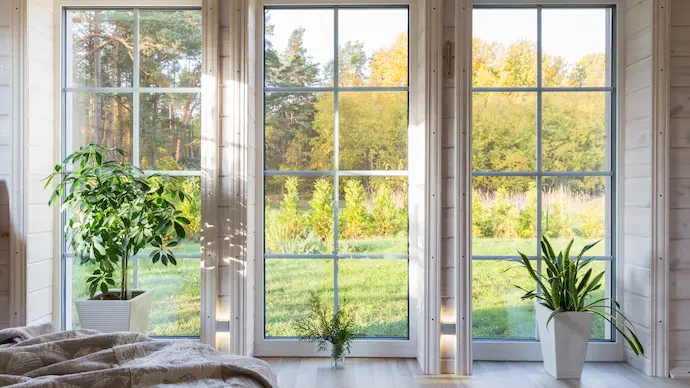
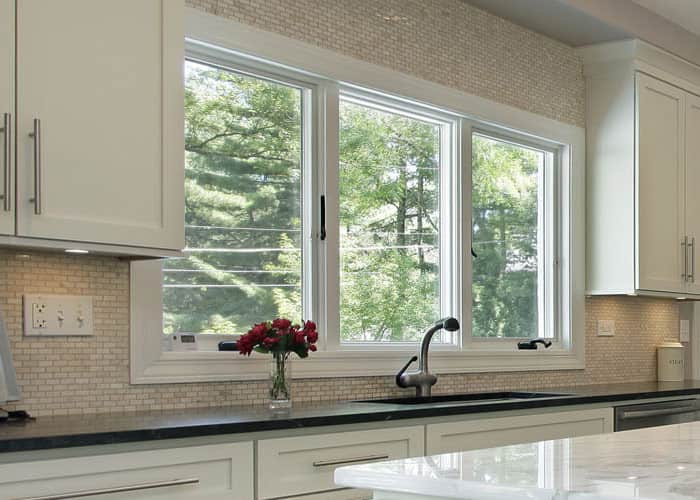
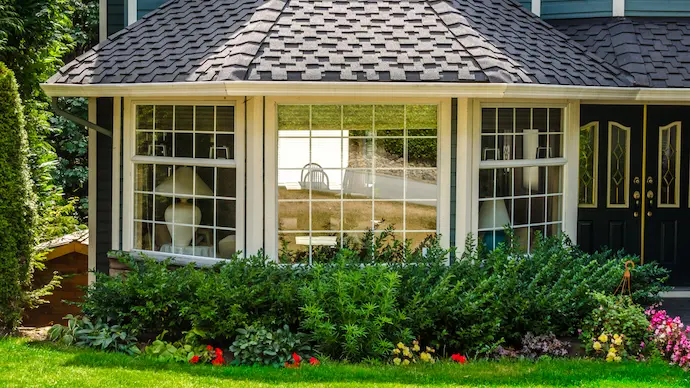
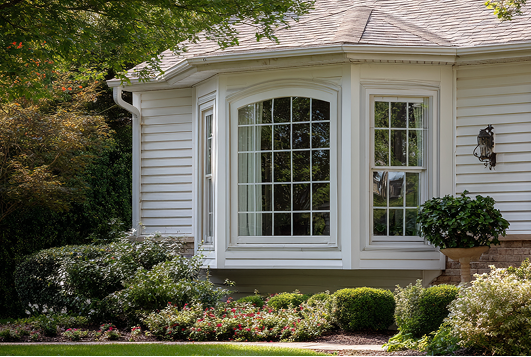
The style of the window has more impact on price than almost any other factor. A picture window involves minimal hardware and no moving parts, keeping costs low. A casement or awning window adds mechanical components and a tighter seal. Bay and bow windows require structural support and custom framing, which is why they cost several times more.
- Window StyleAverage Installed Cost
- Single-hung$575
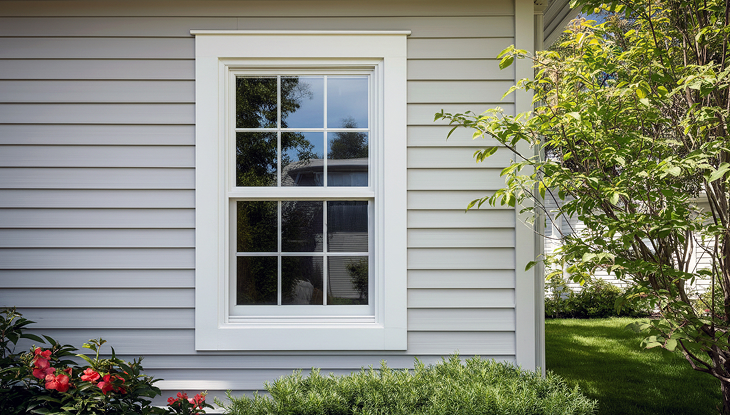
- Double-hung$820
- Picture window$650
- Casement$1,250
- Awning$1,100
- Bay window$4,000
- Bow window$9,600
Custom shapes—arches, trapezoids, circles—add even more because they require specialized manufacturing and take longer to install correctly.
Frame Material: Performance vs. Budget Trade-Offs
The frame you choose affects not just the price, but also long-term performance. Vinyl is the most popular choice—it's affordable, low-maintenance, and insulates reasonably well. Wood looks beautiful and insulates well, but requires regular maintenance. Fiberglass and composite triple-pane windows cost more upfront but can last 50 years or more with minimal maintenance.
- Frame MaterialAverage Cost Per Window
- Vinyl~$900
- Aluminum~$1,400
- Wood~$1,100
- Fiberglass~$1,800
- CompositeUp to $2,000+
One important note: fiberglass frames are twice as strong as vinyl, which matters for triple-pane glass—these windows are 50–75% heavier than double-pane, and a weak frame can cause hardware or installation problems.
The Gas Between the Panes: Argon vs. Krypton
Triple-pane windows have two insulated chambers between the glass, and the gas inside affects both performance and cost. Argon is the standard fill—it's inert, non-toxic, and significantly more insulating than air, adding $30–$50 per window. Krypton gas is denser, offers better insulation in thinner spaces, and is preferred for high-performance builds. However, it costs noticeably more, often $50–$100 extra per window.
For most homeowners, argon is a good option. Krypton makes sense in high-end passive house builds or where frame depth is limited.
Glass Coatings: Don't Skip Low-E
Low-E (low-emissivity) coatings are microscopically thin metallic layers applied to the glass surface that reflect heat while letting light pass through. In winter, they reflect interior heat back into the room. In summer, they block radiant heat from the sun. Adding a Low-E coating typically increases the triple-pane windows price by about 15%, but it's one of the best-value upgrades available. It's a core reason why triple-pane windows outperform basic double-pane models on energy efficiency.
UV-blocking coatings (to protect furniture from fading) and decorative grilles are additional options that can each add $50–$200 per window.
Labor and Installation: Why Getting It Right Matters
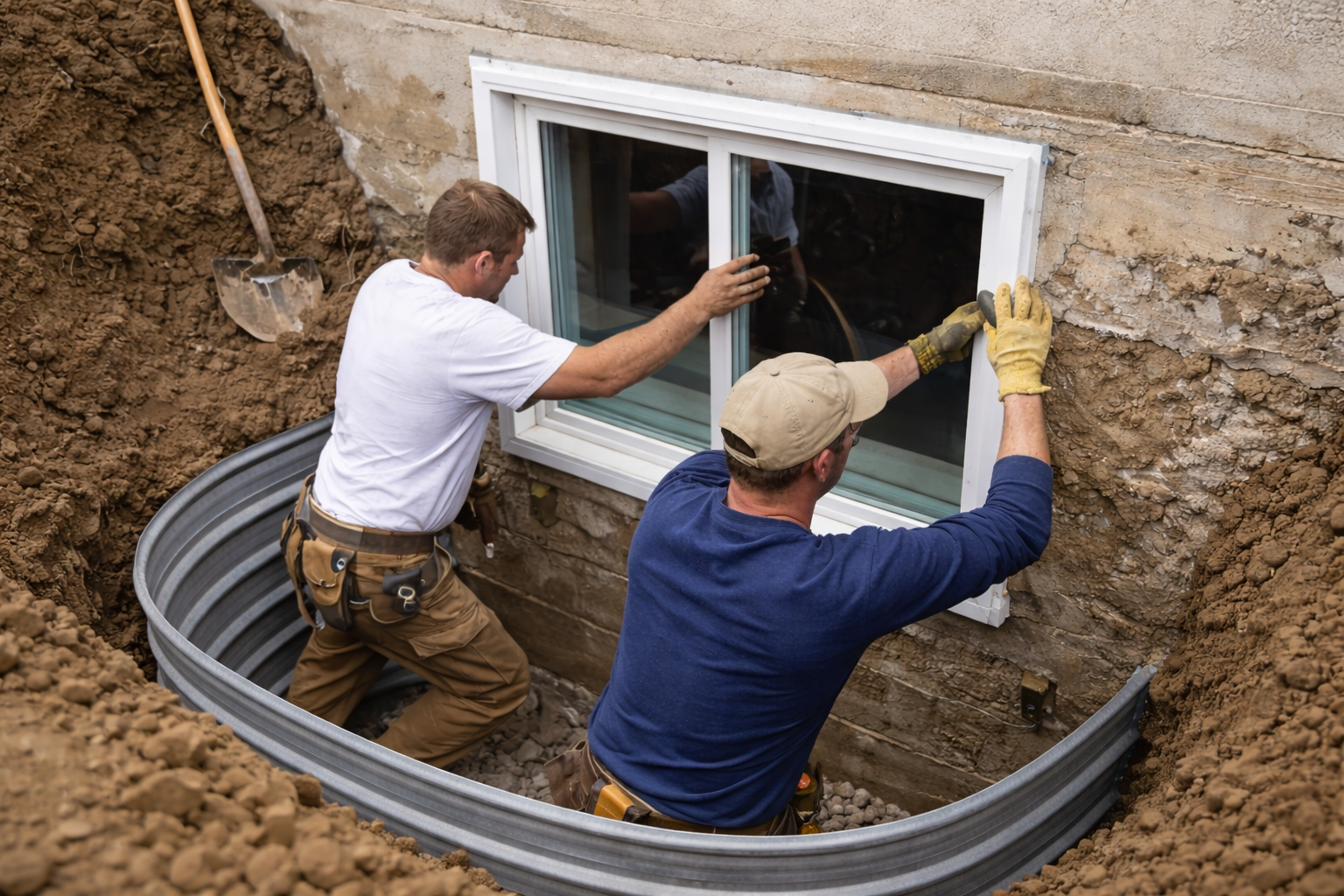
Professional installation for triple-pane windows is $100–$800 per window, depending on complexity. There are three main installation methods:
Can you do the work yourself? Triple-pane windows are heavy, precision-sensitive, and warranty-dependent on professional installation. A poor seal can impact all the energy efficiency and potentially void the manufacturer's warranty. So, it's not a DIY project.
Double vs. Triple-Pane Windows: Let's Compare the Cost
The decision between double and triple-pane windows often depends on climate and how long you plan to stay in your home. Triple-pane windows cost roughly 25–40% more than comparable double-pane units.
| Feature | Double-Pane | Triple-Pane |
|---|---|---|
| Typical cost (installed) | $300–$2,100 | $400–$3,000 |
| U-factor | 0.28–0.35 | 0.18–0.25 |
| R-value | 3–3.7 | Up to 5 |
| Noise reduction (STC) | 26–32 | 26–38 |
| Heat escape | 20-40% | ~3% |
| Energy efficiency gain vs. double-pane | Baseline | Up to 20–30% better |
For homes in climate zones 6–8 (think Minnesota, Michigan, Maine, the Rockies), triple-pane is frequently the right option. For moderate climates (zones 3–5), high-performance double-pane windows with Low-E coatings and argon fill often deliver 80–90% of the benefit at a lower price. In warm climates like Florida or Arizona, the gain between a triple-pane and a high-quality double-pane unit is often too small to justify the triple-pane window cost.
One smart approach: install triple-pane on north-facing windows and large glass surfaces (where heat loss is greatest) and double-pane elsewhere. This hybrid strategy typically costs 15–25% more than all double-pane windows while capturing 60–80% of the energy benefits.
The Real Benefits of Triple-Pane Windows (Beyond Energy Bills)
The energy savings are the biggest and most important benefit, but they're not the whole story.
Is the Cost to Install Triple-Pane Windows Truly Worth It?
More than anything else, the answer depends on your climate.
How to Save Money on Triple Pane Window Installation
You do not have to spend all your money on an energy-efficient home. There are several strategic ways to lower your expenses:
Frequently Asked Questions
How much will it cost to install triple-pane windows in your house?
The typical project ranges from $400 to $3,000 per window, fully installed. The national average is around $1,000 per window. Factors like frame material, window size, and labor complexity play the biggest roles in the final invoice.
How do triple-pane windows work?
These units feature three distinct glass panes separated by two spacer bars. The empty spaces between the glass are filled with an insulating gas, like argon or krypton. This multi-layered design acts as a thermal blanket, not allowing outside air to enter and inside air to escape.
Is a triple-pane window a good choice in your climate?
If your region experiences harsh, freezing winters or incredibly hot summers, paying the higher cost of triple-pane replacement windows is highly recommended. The insulation they provide will drastically lower your heating and cooling expenses. In very mild, temperate climates, standard dual-pane options may offer a more practical balance of cost and performance.
How do double vs triple-pane windows differ?
The main difference is the physical construction: triple-pane options have an extra layer of glass and an extra chamber of insulating gas. This makes them heavier, slightly more expensive, but significantly better at blocking heat transfer and outside noise.
Conclusion
Upgrading your home’s exterior is a big decision, but understanding the financial breakdown makes the process much less confusing. While the initial investment is higher than standard models, the long-term benefits of significantly reduced energy bills, quieter living spaces, and enhanced property value are undeniable. By carefully choosing your frame materials, styles, and installation timing, you can easily maximize your budget.
When you are ready to take the next step, HomeBuddy is here to help. We connect you with top-rated, pre-screened local contractors, ensuring you get the highest quality installation at a price that works for you.