Key Points
- A new HVAC system typically costs between $5,900 and $23,600, with a national average cost of around $11,800.
- HVAC installation costs depend heavily on the system type, home size, energy efficiency rating, and local labor rates.
- Heat pumps and high-efficiency systems usually cost more upfront but can reduce long-term energy bills.
- Additional costs may include ductwork replacement, smart thermostats, permits, electrical upgrades, and insulation improvements.
How Much Will a New HVAC System Cost?
| HVAC Installation Type | Average Cost |
| Low-end installation | $5,900 |
| National average cost | $11,800 |
| High-end installation | $23,600 |
A new HVAC system usually costs somewhere between $5,900 and $23,600, with most homeowners spending around $11,800 on average.
The final price mostly comes down to the type of system you choose, the size of your home, how energy efficient the system is, and how complicated the installation is.
Smaller homes with basic systems usually cost less, while larger homes or high-efficiency setups can get expensive pretty quickly. Things like replacing ductwork, upgrading electrical systems, pulling permits, or adding a smart thermostat can also raise the total cost.
Where you live matters too; labor rates, permit costs, and even your local climate can all affect HVAC pricing.
Average HVAC Costs by Home Size and System Type
HVAC costs usually go up as homes get bigger or systems get more advanced. Larger homes need bigger units to handle the extra space, and higher-end systems with features like better energy efficiency or zoning will cost more to install.
-

Cost by Home Size
Home size is one of the biggest factors affecting HVAC pricing.
Larger homes often require higher-capacity systems, longer ductwork runs, or multiple units to maintain consistent temperatures.
| Home Size | Average HVAC Cost |
| Up to 1,000 sq ft | $5,900 - $8,500 |
| 1,500 - 2,000 sq ft | $8,500 - $13,500 |
| 2,500 - 3,000 sq ft | $13,500 - $18,500 |
| 3,500+ sq ft | $18,500 - $23,600+ |
-
Cost by System Type
Different HVAC systems come with different installation costs, energy efficiency levels, and heating or cooling capabilities. Let’s take a look at them.
| HVAC System Type | Average Installed Cost |
| Central AC System | $5,900 - $12,000 |
| Furnace | $4,000 - $10,000 |
| Heat Pump | $8,000 - $20,000 |
| Ductless Mini-Split | $4,500 - $14,000 |
| Packaged HVAC System | $9,000 - $16,000 |
| Dual-Fuel HVAC System | $10,000 - $18,000 |
| Geothermal Heat Pump | $15,000 - $35,000 |
-
Central AC System
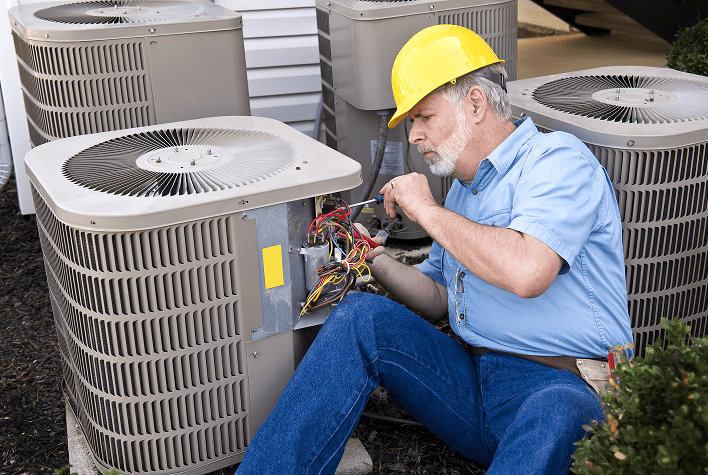
Central AC systems are common in homes with existing ductwork. They cool the entire home through vents connected to an outdoor condenser and indoor air handler or furnace.
-
Furnace
Furnaces heat your home using gas, electricity, or oil. Gas furnaces are the most common, especially in colder areas, and they’re often used together with central air conditioning systems.
-
Heat Pump
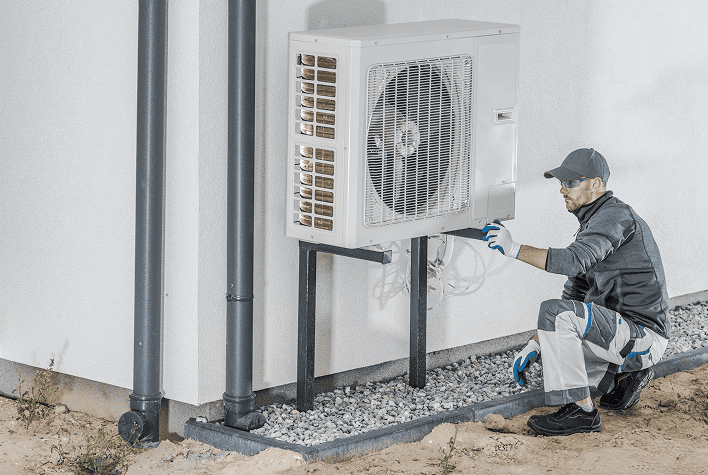
Heat pumps provide both heating and cooling from a single system. They are typically more energy-efficient than traditional HVAC systems, especially in moderate climates.
-
Ductless Mini-Split
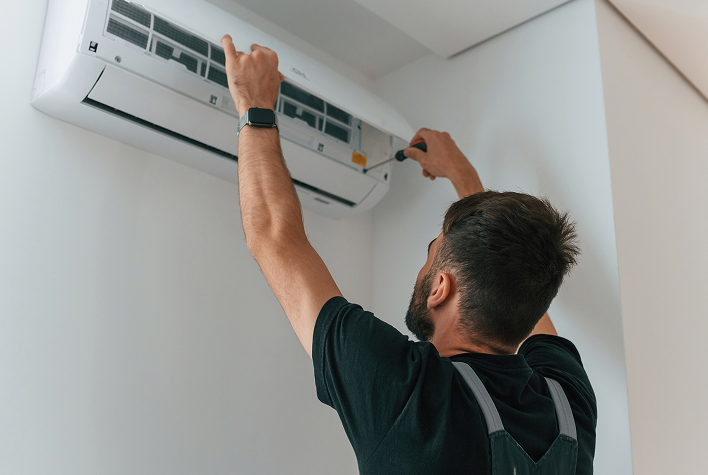
Ductless mini-split systems are ideal for homes without ductwork, room additions, garages, or areas with uneven temperatures. Costs increase as more indoor units are added.
-
Packaged HVAC System
Packaged HVAC systems combine heating and cooling components into one outdoor unit. They are commonly used in smaller homes or properties with limited indoor space.
-
Dual-Fuel HVAC System
Dual-fuel systems use both a heat pump and a gas furnace. The system switches between electricity and gas automatically based on the outdoor temperature to help improve efficiency.
-
Geothermal Heat Pump
Geothermal systems use underground temperatures to heat and cool the home. They have high upfront installation costs but can significantly reduce long-term energy bills.
Regional HVAC Costs and Local Considerations
HVAC prices can vary by several thousand dollars depending on where you live.
-

Regional Price Variations
Homeowners in hotter climates usually spend more on cooling capacity, while colder regions often require larger furnaces or dual-fuel systems for reliable heating. Areas with high labor costs also tend to have more expensive installations.
| Location | Average HVAC Cost |
| New York, NY | $10,500 - $22,000 |
| Los Angeles, CA | $9,500 - $20,000 |
| Dallas, TX | $8,000 - $17,500 |
| Chicago, IL | $9,000 - $19,000 |
| Miami, FL | $8,500 - $18,500 |
For example:
- Southern states often use larger AC systems because cooling systems run for longer periods throughout the year.
- Northern states typically spend more on heating performance, furnace sizing, and insulation compatibility.
- Moderate climates are more likely to use heat pumps because they stay efficient in milder temperatures.
-
Permit Requirements and Building Codes
Permit costs are often overlooked in online HVAC estimates. Depending on the city, permits and inspections can add several hundred dollars to the total project cost.
Some cities also require:
- minimum SEER2 efficiency ratings
- updated electrical panels
- duct leakage testing
- modern refrigerant compliance
- airflow inspections before approval
Older homes can become more expensive quickly if the existing HVAC setup does not meet current code requirements.
-
Home Layout and Installation Complexity
Two homes with the same square footage can have very different HVAC installation costs. Layout and accessibility matter more than many homeowners realize.
Installation usually costs more when:
- the home has multiple floors
- attic access is limited
- ductwork runs are unusually long
- the existing duct system is undersized
- older insulation causes heating and cooling loss
- the outdoor unit location is difficult to access
For example, replacing an HVAC system in a newer single-story home is usually much cheaper than installing one in an older multi-story home with outdated ductwork.
-
Availability of Local Contractors
Labor pricing changes significantly between markets. In large cities, HVAC labor rates are often much higher because of licensing costs, insurance requirements, and demand.
On the other hand, smaller towns may have lower labor costs but fewer contractors available, which can increase wait times during peak summer and winter seasons.
Getting multiple quotes is especially important for HVAC projects because contractor pricing can vary widely even for the same system. Some quotes may include:
- ductwork replacement
- thermostat upgrades
- permits
- haul-away fees
- extended warranties
Others may exclude those costs entirely, which is why two estimates can look very different at first glance.
Key Factors That Affect HVAC Costs
HVAC prices can vary a lot, even between homes that are similar in size. Things like layout, insulation, ductwork, and installation complexity can all affect the final cost.
-

Home Age and Construction Type
Older homes are usually more expensive to install HVAC systems in because they often need additional upgrades before the new system can work properly.
Common added costs in older homes include:
- ductwork replacement or resizing
- electrical panel upgrades
- insulation improvements
- asbestos removal
- limited attic or crawlspace access
Newer homes are typically easier and faster to work on, which can reduce labor costs.
-
HVAC Unit Size
System size plays a big role in HVAC costs. Larger homes need bigger systems, which means higher equipment and installation prices.
Getting the size right matters too. A system that’s too small will struggle to keep up, while one that’s too big can waste energy by turning on and off too often.
| HVAC Size | Typical Home Size | Average Installed Cost |
| 1.5 - 2 ton | Up to 1,200 sq ft | $5,900 - $8,500 |
| 2.5 - 3 ton | 1,500 - 2,000 sq ft | $8,500 - $13,500 |
| 3.5 - 4 ton | 2,000 - 3,000 sq ft | $13,500 - $18,500 |
| 5 ton | 3,500+ sq ft | $18,500 - $23,600+ |
-
Brand
Some HVAC brands cost more because they offer longer warranties, quieter systems, or extra smart features. Budget-friendly brands usually cost less upfront but may have fewer features or shorter coverage.
| HVAC Brand Tier | Typical Price Range |
| Budget brands | $5,900 - $9,000 |
| Mid-range brands | $9,000 - $15,000 |
| Premium brands | $15,000 - $23,600+ |
Higher prices do not always mean better performance for every home. In many cases, proper installation matters more than the brand itself.
-
Energy Efficiency Ratings
Systems with higher efficiency ratings usually cost more upfront but can lower monthly heating and cooling bills over time.
For cooling systems, efficiency is measured using SEER2 ratings. Furnaces use AFUE ratings to measure heating efficiency.
Higher-efficiency systems are often worth considering when:
- energy costs are high in your area
- the HVAC system runs most of the year
- the homeowner plans to stay in the home long term
-
Optional Upgrades and Additional Installation Costs
Many HVAC installations include optional upgrades that increase comfort, efficiency, or indoor air quality. Some upgrades are optional, while others may be required to support the new system properly.
| Upgrade or Add-On | Average Cost |
| New ductwork | $2,000 - $7,000 |
| Smart thermostat | $200 - $700 |
| Electrical upgrades | $500 - $3,000 |
| Air purifier system | $500 - $2,500 |
| Zoned HVAC system | $2,000 - $5,000 |
| Insulation improvements | $1,500 - $6,000 |
Replacing old ductwork can add a big cost to an HVAC install. In many homes, damaged or leaking ducts make the system work harder, so replacing them is often worth it.
How to Use the HVAC Cost Calculator
This HVAC Cost Calculator helps you estimate the cost to repair or replace a heating system, cooling system, or combined HVAC setup. The calculator asks a short series of questions about your system, home size, number of stories, unit location, and whether the system serves the whole home or only part of it.
After you complete the questions, the calculator shows an estimated HVAC cost range with a breakdown of key cost components, such as equipment cost, installation cost, heating or cooling capacity, and project management.
-

Step-by-Step Instructions
Start by choosing what type of system you need help with:
- Heating
- Cooling
- Both heating and cooling
Next, select the type of unit or system you have. Depending on your first answer, the calculator may show options such as heat pump, furnace, boiler, radiator, central AC, mini split / ductless, AC + heat pump, or “Not sure.”
The calculator then asks for details that affect the estimate, including:
- home size
- number of stories
- fuel type, if relevant
- where the unit is located
- whether the system serves the whole house or only part of the home
After answering these questions, click View estimates to see your estimated HVAC cost range. To compare local quotes after viewing the estimate, click Find local contractors and enter your ZIP code.
-
How Results Are Calculated
The calculator estimates HVAC cost by combining several project factors from your answers. Larger homes usually need more heating or cooling capacity, while multi-story homes or harder-to-access unit locations can increase installation complexity.
The estimate may include:
- heating or cooling capacity
- HVAC system size
- unit cost
- installation cost
- project management cost
- total estimated cost range
For example, a smaller home with a simple system and easy unit access will usually receive a lower estimate than a larger home with a more complex setup or an attic, closet, garage, or basement installation.
-
Why Online Estimates and Contractor Quotes Differ
This calculator provides an estimated price range, not a final contractor bid. The actual price can change after an HVAC professional inspects the home and confirms the system size, access, wiring, ventilation, and installation requirements.
A contractor may find issues that are not visible in an online calculator, such as:
- difficult unit access
- outdated electrical connections
- poor airflow
- refrigerant line issues
- venting or drainage problems
- incorrect existing system sizing
- extra work needed for attic, basement, closet, or garage installations
That is why two homes with the same square footage can still receive different HVAC quotes. The system type, installation location, home layout, and local contractor pricing can all affect the final cost.
-
Financing and Budgeting Tips
HVAC repair or replacement can be a major home expense, so it is useful to compare the calculator estimate with real quotes from local contractors before making a decision.
When budgeting, homeowners should look at:
- the total project cost
- equipment and installation costs separately
- warranty coverage
- expected repair risks
- whether the system serves the whole house or only one area
- possible extra work not included in the online estimate
A lower upfront price is not always the cheapest long-term option. A properly sized and correctly installed system can help reduce comfort issues, repair problems, and unnecessary energy use over time.
What’s Included in HVAC Installation Cost
HVAC installation cost usually includes more than the equipment itself. A contractor quote often covers labor, setup, basic installation materials, and removal or replacement work, depending on the project.
| Installation Component
| Usually Included? |
| HVAC equipment | Yes |
| Labor and installation | Yes |
| Basic installation materials | Usually |
| Removal of old system | Usually |
| Project management | Usually |
| Thermostat installation | Sometimes |
| Electrical updates | Usually extra |
| Ductwork changes | Usually extra |
| Line-set or refrigerant work | Sometimes extra |
| Permits | Sometimes |
Some projects may also require additional work for attic access, closet installation, garage or basement placement, drainage, venting, or electrical upgrades. These details are one reason contractor quotes can differ from the calculator’s estimate.
Should You Repair or Replace Your HVAC System?
Sometimes repairing an HVAC system is cheaper. Other times, replacement saves more money long term. The right choice usually depends on the system’s age, repair cost, and overall condition.
| Service | Average Cost |
| HVAC repair | $150 - $2,500 |
| Compressor replacement | $1,500 - $4,000 |
| Heat exchanger replacement | $1,000 - $3,500 |
| Full HVAC replacement | $5,900 - $23,600 |
-

When Repairing Makes Sense
Repairing the system is usually worth it if:
- the unit is under 10 years old
- the repair is small
- the system still runs efficiently
- repair costs are low
Minor repairs like replacing a thermostat, capacitor, or blower motor are usually much cheaper than replacing the full system.
-
When Replacement Makes More Sense
Replacing the system is often the better option if:
- the HVAC system is 15-20 years old
- repair costs keep happening
- energy bills keep increasing
- heating or cooling is uneven
- major parts like the compressor fail
- the system uses outdated refrigerant
Older systems are also less energy-efficient, so homeowners often continue paying higher utility bills even after expensive repairs.
-
The “$5,000 Rule”
Some homeowners use the “$5,000 rule” to decide between repair and replacement.
Multiply:
- the age of the system × the repair cost
If the total is more than $5,000, replacement is often the better long-term investment.
Example:
- 15-year-old system × $400 repair = $6,000
In that case, replacing the HVAC system may make more sense than paying for more repairs later.
Benefits of Installing a New HVAC System
Installing a new HVAC system can lower energy bills, improve heating and cooling performance, and reduce repair problems.
-

Lower Energy Bills
New HVAC systems are more energy-efficient than older units, so they usually cost less to run each month.
-
Better Comfort
A new system can heat and cool the home more evenly and improve airflow throughout the house.
-
Fewer Repairs
Older HVAC systems often break down more frequently. Replacing the system can reduce repair costs and unexpected issues.
-
Improved Air Quality
Modern systems work better with air filters, humidity control systems, and air purifiers, which can help improve indoor air quality.
-
Higher Efficiency Options
High-efficiency systems cost more upfront but can lower long-term heating and cooling costs over time.
Finding the Right HVAC Contractor
Choosing the right HVAC contractor matters because installation quality can affect system performance, energy bills, and future repair costs.
-

Tips for Choosing a Contractor
Before hiring a contractor, homeowners should:
- compare multiple quotes
- check licensing and insurance
- read recent customer reviews
- ask about warranties
- confirm permit handling
- make sure the system is properly sized
A cheaper quote is not always better if important work is missing from the estimate.
-

Questions to Ask Before Hiring
Before signing a contract, ask:
- What exactly is included in the quote?
- Does the price include permits?
- Will ductwork be inspected?
- What warranty is included?
- How long will installation take?
- Is cleanup and old equipment removal included?
These questions can help avoid unexpected costs later.
-

Red Flags to Watch For
Homeowners should be cautious if a contractor:
- gives a quote without inspecting the home
- recommends the same system size for every house
- pressures immediate payment
- refuses to provide written estimates
- offers prices far below other quotes
Very low quotes sometimes exclude ductwork, permits, or other important installation costs.
-

DIY Installation vs Professional Installation
HVAC installation is usually not a good DIY project. Installing heating and cooling systems often requires:
- electrical work
- refrigerant handling
- airflow calculations
- permit approvals
- code compliance
Incorrect installation can reduce efficiency, increase repair problems, and void manufacturer warranties.
Conclusion
A new HVAC system usually costs between $5,900 and $23,600. Final pricing depends on the system type, home size, efficiency level, ductwork condition, and local labor costs.
An HVAC cost calculator can help you estimate costs, compare systems, and set a realistic budget before requesting contractor quotes.
Before hiring a contractor, you should compare multiple estimates and check exactly what’s included in the installation price. If you want to compare local pricing and installation options, HomeBuddy can help you find HVAC contractors near you.
Frequently Asked Questions
How much does it cost to install a new HVAC system?
A new HVAC system usually costs between $5,900 and $23,600, with most homeowners paying around $11,800. The price depends on the system type, home size, efficiency level, ductwork condition, and labor costs.
How much does a new HVAC system cost for a 2,000 sq ft home?
A new HVAC system for a 2,000 sq ft home usually costs between $8,500 and $13,500, depending on the system type, efficiency rating, ductwork condition, and local labor costs.
Do I need ductwork replacement?
Not always. Ductwork replacement is usually only needed if the ducts are damaged, leaking, poorly sized, or very old. Replacing ductwork typically costs between $2,000 and $7,000, depending on the home size and layout.
How do I choose the right HVAC brand?
Choose an HVAC brand based on reliability, warranty coverage, energy efficiency, and local contractor support - not just price. Proper installation usually matters more than the brand itself.
How can I finance my HVAC installation?
Many homeowners finance HVAC installation through contractor financing, personal loans, home improvement loans, or monthly payment plans. Some high-efficiency systems may also qualify for rebates or tax credits.
What optional upgrades or features affect the price?
Optional upgrades that can increase HVAC installation costs include new ductwork, smart thermostats, zoning systems, air purifiers, humidity control systems, and electrical upgrades. High-efficiency systems also cost more upfront than standard models.
How long does HVAC installation typically take?
Most HVAC installations take 1 to 3 days depending on the system type, ductwork condition, and installation complexity. Simple replacements are usually faster, while full system upgrades or ductwork replacement can take longer.
Do I need a maintenance plan after installation?
Yes, regular HVAC maintenance helps improve system efficiency, reduce breakdowns, and extend the lifespan of the system. Many homeowners schedule maintenance once or twice per year.
Are there local permits or building codes I need to follow?
Yes. Many HVAC installations require permits and inspections, especially when replacing ductwork, electrical components, or gas lines. Permit and code requirements vary by city and state.
How do climate or regional conditions affect HVAC costs?
Climate and regional conditions affect HVAC costs because hotter or colder areas usually need larger or more powerful systems. Local labor rates, permit costs, and energy efficiency requirements can also increase installation pricing.